



The Union faction in the Bundestag has denied an immediate easing for motorists in response to soaring petrol prices.
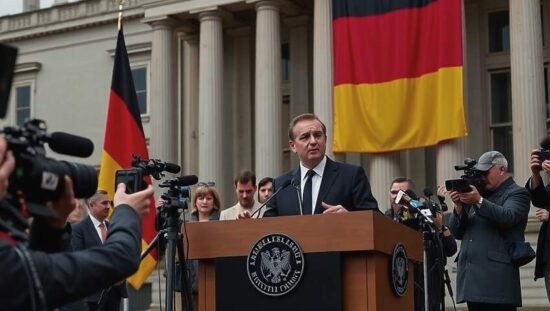
Vize‑chef Günter Krings (CDU) said the escalation in Iran and its economic repercussions must be taken seriously, but it is “premature, only a few days after the start of the aerial strikes, to promise concrete relief measures”. “We know that the tax cuts we give today will become the financial burdens of tomorrow” he added in the “Welt” Friday edition.
Krings stressed that maintaining supply security-particularly for energy and food-is a core governmental duty. While some progress has already been made, he underscored the need for rapid improvement. He called for a resilience or emergency plan that includes strategic reserves and European cooperation in their development. Such an approach could serve well whether or not the current conflict escalates further. The present situation, he noted, creates a timely opportunity for the federal government to devise a prudent solution.
Steffen Bilger, the caucus business director, warned that it is still unclear whether the market volatility will remain short‑term or evolve into structural bottlenecks with long‑term effects. He said the decisive factor will be how the conflict unfolds and when key shipping lanes, such as the Strait of Hormuz, become navigable again. To monitor the unfolding events, the coalition caucuses have established a task force. Should the crisis deepen, the Union will, together with the federal government, review possible courses of action.