




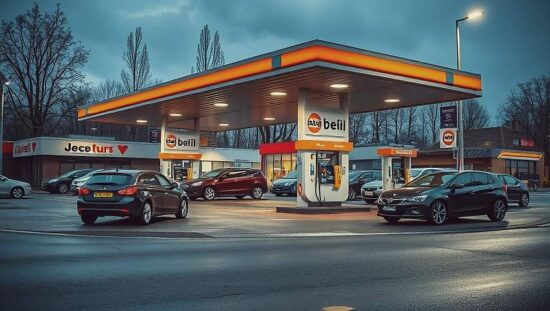
In April 2026, fuel prices reached new peaks in Germany. According to the ADAC, the average cost for a liter of Super E10 was €2.109, and diesel reached €2.263. Diesel prices surpassed previous high levels from the preceding month by almost ten cents, while the price for Super E10 exceeded its previous monthly maximum set in March 2022.
The situation reached an all-time high on April 7, 2026, when diesel cost €2.446 per liter. Just a day earlier, Super E10 was priced at €2.191 per liter, coming close to the record of €2.203 per liter set on March 14, 2022. Despite a lower price for Brent crude oil and a better Euro-Dollar exchange rate, prices continued to climb significantly after the introduction of the “Austrian model” on April 1st.
The Federal Consumer Advice Association (VZBV) criticized the state’s energy subsidies, noting that the tank discount implemented since May 1st has not been fully passed on to consumers. Although the energy tax on gasoline and diesel was temporarily reduced by 17 cents per liter for two months, initial assessments showed that the full benefit of this tax cut did not reach the consumers.
Ramona Pop, a board member of the VZBV, expressed concern that instead of providing genuine relief, the current system might result in a type of corporate discount. She demanded that the Federal Cartel Office must remain highly vigilant and consistently challenge any unjustified price increases. Pop argued that the current approach-the tank discount-is flawed and should not be extended beyond June.
Instead, she advocated for direct payments, stating that these would be more efficient because they would reach those who need the support most without intermediaries. Furthermore, she urged the federal government to focus on strategies that make Germany less dependent on fossil fuels, recommending measures such as increased e-mobility and the establishment of affordable, attractive public transport systems.