


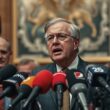


Matthias Miersch, the leader of the SPD parliamentary group, expressed satisfaction with the coalition’s consensus on reforming the statutory health insurance system, though he simultaneously announced plans for changes in parliamentary procedures.
Speaking to the “Rheinische Post” (Wednesday edition), Miersch asserted that, “Parliament is not a notary for the government”. He emphasized that the focus must be on making the system structurally robust, rather than merely patching it up for the short term.
The SPD group leader detailed the reform components, which include implementing a “modern funding mix”. He stated that the government will introduce a federal subsidy for basic security and generate a clear impulse for prevention through a sugar tax. According to Miersch, preventing illnesses before they occur will benefit all contributors over the long term. He stressed that it was a matter of fairness that the pharmaceutical industry also contributes adequately to stabilizing the system.
Miersch reiterated the SPD’s firm position during negotiations: the resulting package must function for the people who fund the system through their daily work. He claimed that the plan will improve the situation for insured individuals and employees by over 16 billion euros by 2030, a significant improvement compared to proposals made by Ms. Warken.
He concluded that the discussions were highly worthwhile, noting that they successfully secured sickness pay, stabilized contributions for families, and strengthened the principle of solidarity by raising the mandatory insurance threshold. This measure, he said, provides a “real protective wall for working families”.