




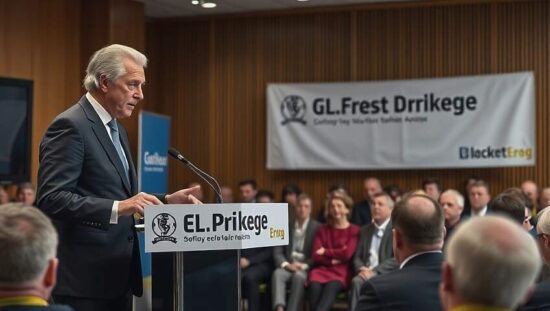
Ifo President Clemens Fuest cautions against state actions aimed at lowering oil and gas prices for consumers. “Dampening price signals through discounts or tax cuts is harmful to the macroeconomy” he said on Wednesday. Fuest also notes that the burden of rising world‑market prices must be shared by the German economy as a whole, and that relief on one side would need to be balanced by higher costs elsewhere.
He explained that higher oil prices act like an additional tax for the global economy: energy, transport and many goods become more expensive, pushing up inflation and potentially stifling growth. Germany cannot influence the international prices of oil or gas, but it can affect the price consumers pay domestically, because those prices include national taxes.
The federal government might, for instance, cut the mineral‑oil tax or lower VAT on oil and gas. Such a move would not reduce the overall economic cost of these fuels. If taxes were lowered, the lost revenue would have to be compensated either with higher taxes elsewhere or with reduced state benefits.
Fuest stressed that scarcity and the resulting price spikes serve as an important signal for consumers to cut back. One of the key strengths of a market economy is that price changes give people incentives to adjust their consumption habits.
“People who use the most fossil fuel and cannot avoid it are hit hardest by price increases-particularly low‑income households” he said. General cuts in energy taxes are not a precise tool to aid those in need. Pointing to the state for every burden, he warned, forgets that the economy cannot function long‑term without a certain degree of individual responsibility.