



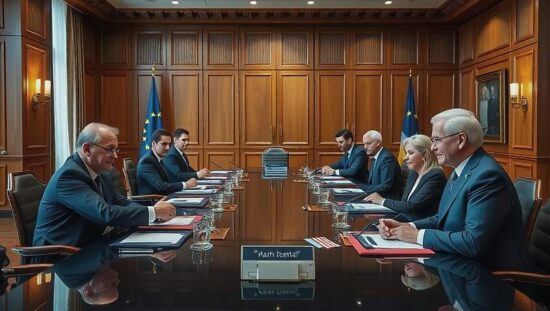
Representatives from the European Parliament and the Council have reached an agreement regarding the implementation of the EU-US tariff deal, as both sides announced on Wednesday night.
Under the new arrangement, tariffs on US products will be eliminated unilaterally. This includes the full removal of European tariffs on US industrial goods such as automobiles and machinery. However, the deal incorporates several crucial safeguards and review mechanisms.
The regulations are set to expire on December 31, 2029. Before that date, the Commission is mandated to conduct a comprehensive assessment of the trade implications for three key areas: the EU’s industrial sector, agriculture, and small and medium-sized enterprises. Furthermore, the Commission must analyze changes in trade patterns with third countries. Following this analysis, the Commission may submit a legislative proposal aimed at extending the rules.
Additionally, the Commission has the ability to suspend tariff preferences if the US maintains a tariff rate exceeding 15 percent on steel and aluminum derivatives originating from the EU until December 31, 2026. The Commission is required to report to the European Parliament and the Council on the tariff treatment of these derivatives by December 1, 2026. This framework also provides for the possible suspension of tariff elimination even should US President Donald Trump raise tariffs.
Bernd Lange, Chairman of the Committee on International Trade and permanent rapporteur for the US, commented on the process, stating, “It was a difficult path, but it was worth it. This agreement is an important step toward greater predictability in transatlantic trade relations”. He added that the Parliament significantly enhanced the Commission’s original proposal by introducing both a sunset clause and a robust suspension clause.
The next step for the deal could be a vote in the EU Parliament’s plenary session in mid-June. This timeline allows the agreement to meet the deadline originally mandated by Trump to implement the deal he negotiated with EU Commission President Ursula von der Leyen by July 4.