




At a meeting held Tuesday morning, negotiating representatives from EU Member States and the European Parliament reached an agreement on measures designed to reduce the EU’s reliance on pharmaceutical imports.
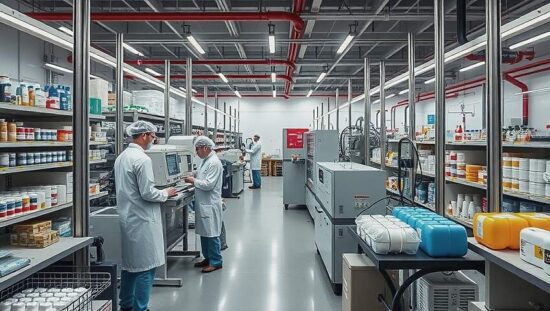
Under the new framework, certain “strategic projects” will be identified across the EU. These initiatives aim to create, modernize, and expand production capacities for critical medicines, including antibiotics, insulin, and vaccines. A key stipulation for companies receiving financial support at either the national or EU level is that they must primarily supply the EU market. Furthermore, strategic projects will benefit both medicines that are not sufficiently available across multiple countries to meet patient demand, as well as drugs used to treat rare diseases.
Source countries within the EU will be obligated to implement procurement regulations that actively encourage the diversification of sourcing for critical medications and their pharmaceutical active ingredients. Additionally, the EU Commission is authorized to initiate tender procedures on behalf of all Member States if five or more countries request it.
Tomislav Sokol, the rapporteur for the European Parliament, stated that the agreement shifts patient interests to the forefront, strengthens Europe’s resilience, and boosts the competitiveness of the pharmaceutical sector. He noted, “By introducing common procurement measures at the EU level, we are taking concrete steps to counteract shortages and ensure a secure supply. At the same time, we are sending a clear signal that Europe is determined to strengthen its pharmaceutical production base”.
These newly agreed-upon regulations will only enter into force after receiving unanimous approval from both the Parliament and the Council.