




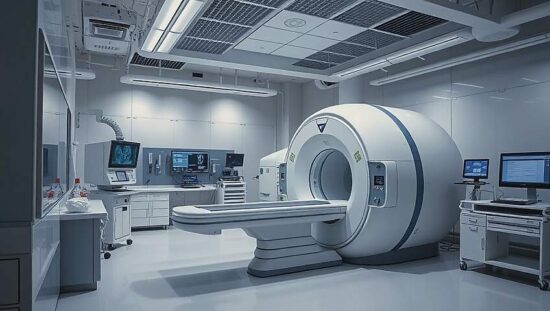
Concerns about the ongoing conflict in Iran have prompted warnings from the medical technology industry regarding a potential shortage of helium, a gas critical for the operation of MRI machines. According to Spectaris, the German Industrial Association for Optics, Photonics, Analysis, and Medical Technology, which stated the information to the “Welt am Sonntag”, only isolated restrictions are currently in place. However, some associated companies anticipate short-term shortages and rising costs. The association is currently conducting a survey among its member companies about the repercussions stemming from the Iranian situation. Initial findings from this survey indicate that approximately one quarter of participating businesses utilize helium in their products or processes. Since helium is essential for operating MRI equipment, many medical technology companies, Spectaris reported, are already implementing or preparing countermeasures, such as adjusting their procurement strategies or vendor management.
Furthermore, Janosch Dahmen, the health policy spokesperson for the Alliance 90/The Greens, voiced concerns about the helium shortage worsening. Telling the “Welt am Sonntag”, Dahmen noted that significant price increases are already occurring due to the shutdown of about 40 percent of global production capacity, particularly in Qatar. He also warned that it cannot be ruled out that the United States might use its export policies strategically-perhaps to stabilize its domestic market and put further pressure on Europe. In such a scenario, the threat is not only another price surge but a genuine, absolute shortage. Dahmen is calling for immediate action from the Federal Minister of Health, Nina Warken (CDU). He stressed the need for, firstly, an up-to-date assessment of how the wars in Iran and Ukraine are impacting the healthcare system, covering everything from supply chains to the indirect risks posed to social insurance due to economic upheavals. Secondly, he demanded a “summit involving all relevant stakeholders from the healthcare sector and industry to ensure supply security and resilient supply chains before the situation escalates further and costs rise considerably”.