




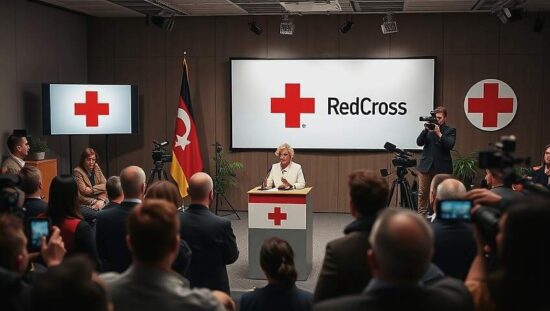
The German Red Cross (DRK) reports serious gaps in the country’s civilian protection system. Despite rising security threats and recent crises such as floods and power outages, DRK President Hermann Gröhe told the Tagesspiegel (Thursday edition) that civilian protection is “completely under‑funded”.
Gröhe warned that the current security environment demands a decisive, timely effort to build “war‑readiness” – but only if it is matched by an equally vigorous drive to safeguard the population. He stresses that a lack of civilian protection leaves Germany without real defensive capability. “We have a huge catch‑up need” he said. “Without civilian protection, there is no defensibility”.
He called for an additional minimum of one billion euros for civilian protection and cautioned that without better preparation, Germany will lack true defense capacity. Hospitals, in particular, must become more resilient. Gröhe also highlighted the necessity of better knowledge about volunteers’ readiness, nationwide clear regulations, and support for these volunteers.
“Now the drastically changed security situation requires a sustained, genuine effort at every political level” he said. “We do not have time for jurisdiction disputes between the federal government and the Länder” especially when it comes to disaster preparedness. “If a crisis only starts, it’s too late for prevention”.
Gröhe urged significantly more funding for first‑aid courses that include self‑protection in the federal budget. “If one in every ten households knows what to do in an emergency, it significantly strengthens society’s resilience” he said. “No one can help faster than a neighbor”.
Additional funds for civilian protection have so far mainly benefited federal agencies and the Technical Relief Service (Technisches Hilfswerk), which is subordinate to the Interior Ministry. “Recognised aid organisations such as the DRK have not been adequately considered” Gröhe criticised. He added that volunteers should carry out the bulk of the work in an emergency, but that the equipment they receive is often outdated, “from the time of their parents or even grandparents”.