




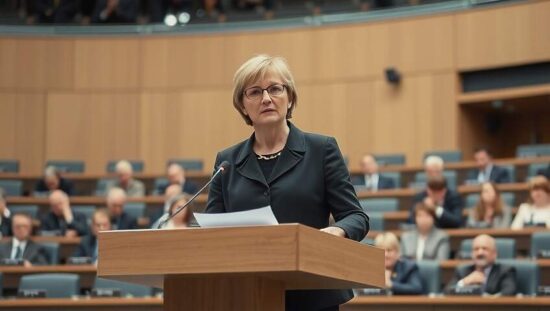
Bundesgesundheitsministerin Nina Warken (CDU) plans to roll out a comprehensive legal reform aimed at cutting bureaucracy within the healthcare system and largely phasing out the traditional paper drug leaflet. She told POLITICO’s pro‑healthcare newsletter that the package will feature many small but effective measures.
One of the first changes concerns psychotherapy. The current two‑step prescription process will be simplified so that a doctor can prescribe all 24 sessions at once, rather than having to renew a 12‑session limit every few weeks. The obligatory consult‑report will be omitted if a referral is already present or if the treatment follows a hospital stay.
For physicians, the ministry will impose a €300 “bagatelle” threshold on cost‑efficiency reviews, affecting about 70 % of the assessments. In addition, inspections of medical supply stores will be limited to specific triggers rather than routine visits. Warken says these steps will free up clinicians and therapists to devote more time to patients.
Across the board, the ministry will streamline procedures further. A key part of the EU pharmaceutical package that Germany is adopting requires that, two years after the EU regulation enters force, manufacturers provide a digital package insert for every medicine. The digital version offers features such as automatic translation and read‑aloud functions. A paper insert will still be available in pharmacies at the patient’s request, recognising that some people prefer it.
The minister also cautioned about the possible impact of the Iran conflict on drug supplies. Ships that normally transit the Strait of Hormuz-carrying essential goods from India and China-have already been hit, effectively blocking the waterway. A longer blockage could push shipping routes around Africa, potentially delaying deliveries and raising prices. However, Warken emphasized that the current drug stores are well stocked and, at present, she does not see an urgent need for intervention. The government is in ongoing discussions with relevant authorities, pharmaceutical firms, and wholesalers about the situation.