




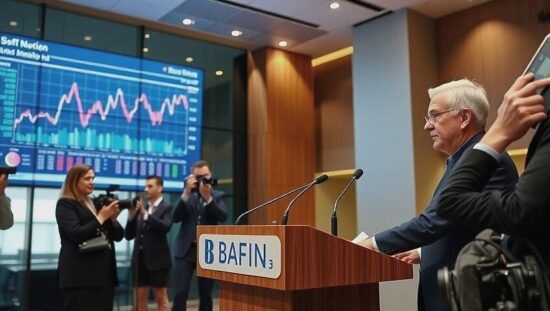
Bafin still views open real‑estate funds and similar financial products as carrying significant risks for private investors.
Mark Branson, the head of Bafin, told the Süddeutsche Zeitung that the funds themselves are “legitimate products”, but the key question is whether they are sold in a proper and fair manner. “What happens is often sales‑driven rather than genuinely advisory” he said.
He also questioned the propriety of marketing these funds as belonging to risk‑class 1, meaning “very low risk”. Branson explained that this category can actually be lower in risk than many sovereign bonds. “The notion that a portfolio of commercial real estate is less risky than one of government bonds does not make sense” he said. Several distributors have already revised their risk classifications in response.
Open real‑estate funds were long considered stable investments, especially those marketed by Volksbanken and Sparkassen to individual clients in the lowest risk tier. However, the possibility of fund closures looms large. Two small funds recently refused redemption requests, and when asked whether further closures could be prevented, Branson answered that he could not. “Smaller portfolios carry higher risks” he observed.
Branson also expressed skepticism about the monitoring duties introduced after the crisis. “Do these extensive documentation requirements really protect customers, or mainly the institutions? And who understands these long forms?” he asked. The current system, he said, often fails because it overwhelms the customers it is meant to safeguard.
Finally, he declined to endorse a commission ban in financial sales. “That would be a strong market intervention. The real issue is whether the removal of commissions would create gaps in advice, since many people cannot afford or do not want paid advice. That is a political decision, not a regulatory one”.