




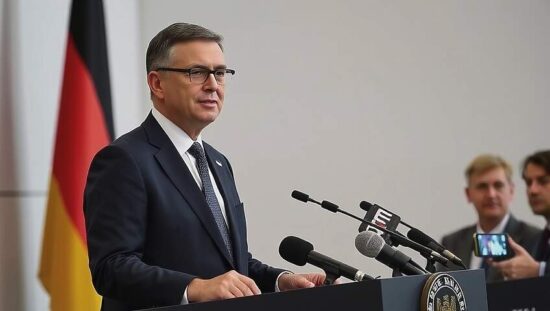
The German Bundestag’s Military Ombudsman, Henning Otte (CDU), is urging a far stronger prioritization of alliance and national defense. “With 17 overseas deployments across three continents and more than 2,000 soldiers, we must focus on the core mission” he told POLITICO’s Berlin Playbook Podcast. “Our troops should not be overstretched”.
Otte calls for a reassessment of specific mandates, including the situation in South Sudan. “We may need to rethink how we maintain a strategic presence without constantly training the host nation’s army on the ground” he said. “The key is a balanced decision‑making process, not an automatic rule”.
Regarding the recent extension of the Iraq mission-now being evacuated due to the Iran crisis-Otte clarified that he does not criticize the Bundestag’s decision. Yet he noted that the mandate can’t be fulfilled in its current form, a point that, he said, “begs for reflection”.
On the topic of the new military service law, Otte warned against rushing into deployment. “The law has been passed, but the necessary prerequisites are only just being built” he explained. “Recruitment structures must be established first”. He added that if it becomes clear by the end of 2026 that the growth of the force can’t support the core units, “the debate must be reopened”.
When discussing potential peace‑keeping in Ukraine, Otte urged caution in commitments. “Germany must and will contribute” he acknowledged, but cautioned that an overly eager or numerically specific pledge could deter other nations from stepping up.
Concurrently, Otte is demanding more civilian preparedness. “We need both a military operational plan and a civilian operational plan” he said after a conversation with Interior Minister Alexander Dobrindt (CSU). He advocated treating national defense as a “state‑wide responsibility”.