




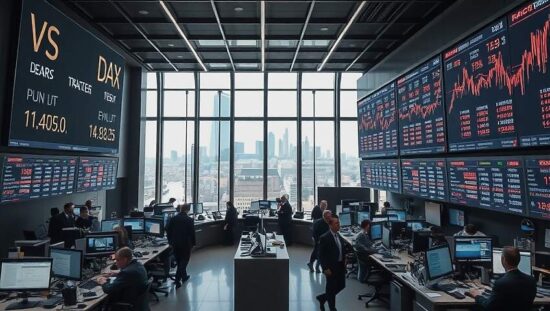
The German DAX edged higher at the start of the week, closing the Xetra market at 24,933 points-a 0.1 % gain on the previous session. After a cautious opening and a morning that saw the index add to early losses, it turned positive by the afternoon.
Christine Romar, Head of Europe at CMC Markets, noted that sentiment surveys and related economic indicators remain mixed, painting an uneven picture. According to the Ifo business climate index released today, companies’ views on the situation and expectations at the start of the year have not improved. The anticipated boom from the billions‑of‑euros fiscal package is again being swallowed by concerns over poor business conditions caused by sluggish reforms.
Romar also blamed political developments in the United States for the tough start to the week. “After the second death in the context of the immigration authorities’ violent approach, the U.S. faces a potential shutdown of government operations by the end of the week-just about two months after the longest shutdown in history” she said. “Ahead of the midterm elections, the political climate in the U.S. could become even more volatile, which will certainly not go unnoticed by financial markets”.
In Frankfurt, GEA and Bayer led the closing price list, while Zalando, Rheinmetall and Airbus finished at the bottom of the rankings.
Gas prices fell as well: one megawatt hour (MWh) of gas for February delivery cost €39, a 1 % drop from the previous day. If that level persists, consumers would face an electricity price of roughly 8 to 11 cents per kilowatt hour, including overhead costs and taxes.
Oil prices declined too. A barrel of Brent crude traded at $65.38 on Friday afternoon (around 5 p.m. CET) on the European market-down 50 cents, or 0.8 %, from the previous close.
The euro weakened slightly against the dollar. One euro was worth $1.1883, meaning one U.S. dollar equated to €0.8415.