




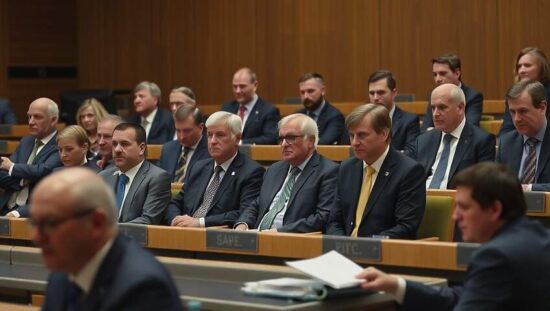
The federal government plans to grant foreign intelligence agencies far more powers. They would be allowed to gather additional data, use it more readily, and actively counter potential threats, with a particular focus on cyber defence.
Several new laws are already in the pipeline. A bill to protect critical infrastructure is slated for passage, along with a draft that would expand digital investigative authorities. A separate act is being prepared specifically for the BND, Germany’s foreign intelligence service.
The governing coalition supports this shift. Interior affairs spokesperson for the Union faction, Alexander Throm, told the daily “Welt” that Germany’s security agencies have long been able to neutralise threats technically, but lack the legal basis to do so. “It is time to give them the legal backing they can operate with” he said, adding that German intelligence services must evolve into “active defence services”.
The Social Democratic Party echoes the sentiment. Deputy chair Sonja Eichwede said Germany must better protect networks and systems from overseas cyber‑attacks and bring its intelligence agencies up to the level of European partners. “We want to empower our services to confront modern threats decisively” she said.
Clara Bünger, the Left’s interior affairs spokesperson, raised legal concerns. In cyberspace attributing an attack remains notoriously difficult, and the risk of collateral damage and escalation is real. She notes that the domestic intelligence service is not permitted to act abroad without limits; “Because he is aware of the treacherous terrain, Dobrindt remains unclear” she added.
Greens parliamentary secretary Irene Mihalic welcomed the government’s willingness to act, but cautioned that “even with justifiable worries about danger, we must not allow early, severe infringements on citizens’ fundamental rights based on foreseen threats without effective parliamentary oversight and legal safeguards”. She pointed to the United States as an example of how such power can be misused.
AfD interior‑policy spokesman Steffen Janich demanded robust protection against external threats. He insists the legal framework must safeguard national security interests, businesses and residents without unduly restricting civil liberties. Even in turbulent times, the legislature should not grant unchecked authority to a state body.