


Siemens Energy Rejects Calls for Wind Division Spin-Off, Urges Swift Action on Gas Power Plants
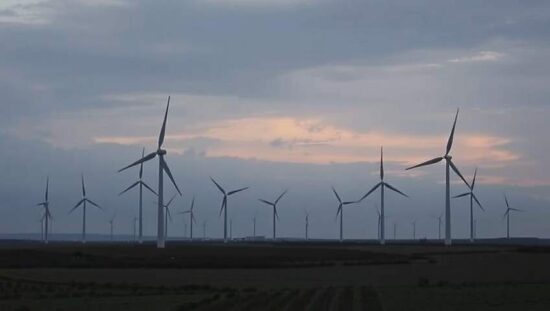
Munich-based energy technology giant Siemens Energy has firmly dismissed demands from shareholders to separate its struggling wind power subsidiary, Siemens Gamesa, arguing that such a move would fail to address underlying issues and hinder the crucial transition to renewable energy sources. Christian Bruch, CEO of Siemens Energy, told the Frankfurter Allgemeine Sonntagszeitung that wind energy remains a vital technology for the future and that the company is presently prioritizing stabilizing Siemens Gamesa, which he characterized as being “in the middle of a turnaround.
While Siemens Energy is systematically reviewing the profitability of all its business units, Bruch emphasized that splitting off Siemens Gamesa at this juncture would be premature. He acknowledged prior difficulties but asserted that the division has made “noticeable progress” and is targeting break-even performance by 2026. This stance directly challenges a demand made in December by an activist investor who called for the division to be spun off, highlighting a growing divergence of opinion regarding the company’s strategic direction.
Beyond defending the wind power division, Bruch took the opportunity to criticize the slow pace of the German government’s planned construction of numerous new natural gas-fired power plants. He welcomed the recent agreement reached with the European Commission but cautioned that the accord remains largely symbolic. “It doesn’t create facts” he stated, stressing the urgent need to accelerate the tendering process and ensure timely issuing of contracts to allow power plant operators, including Siemens Energy itself, to effectively plan capacity expansions.
Bruch expressed concern that Germany risks falling considerably behind other nations in the deployment of gas power infrastructure. He pointed out that Siemens Energy’s gas turbine technology is in high demand globally, but other countries are moving more rapidly. “The politics must now deliver” he insisted, underscoring the potential for Germany to lose out on significant economic opportunities if delays persist.
The Federal Ministry for Economic Affairs and Climate Action recently announced a principle agreement with the EU Commission regarding the long-debated power plant strategy, which initially includes the tendering of twelve gigawatts of new, controllable power capacity, partially composed of these additional gas power plants. The ministry’s prior statements highlighted the years of delays encountered in reaching this fundamental agreement, revealing the complexity of navigating energy security and climate policy objectives. Bruch’s critique underscores a deeper political pressure to translate these commitments into concrete action, lest Germany’s pivotal role in Europe’s energy landscape be jeopardized.