




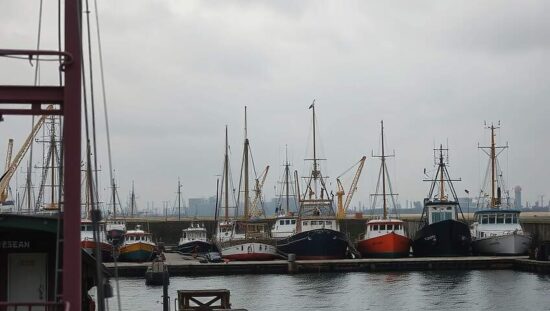
The Port of Rotterdam, a crucial artery of European trade, faces a challenging assessment of 2024, with preliminary data suggesting a year-on-year decline in cargo throughput. Boudewijn Siemons, CEO of the port authority, acknowledged to the Frankfurter Allgemeine Zeitung that a downturn experienced in the first three quarters likely wasn’t offset by a strong final quarter performance, casting a shadow over the region’s economic outlook.
Early figures indicated a 2.6% decrease in cargo volume, reaching 320 million tonnes through the first nine months. A significant contributing factor to this downturn was an 8% reduction in the handling of iron ore and scrap, directly linked to a contraction in German steel production. This highlights the port’s vulnerability to broader economic shifts and particularly its dependence on the German industrial sector, Europe’s largest.
While certain segments within the port experienced negative growth, the container sector demonstrated a positive trajectory, offering a rare glimmer of resilience. However, Siemons cautioned against overly optimistic interpretations, stating that the overall performance during those initial nine months was “simply not very strong”. He expressed a low probability of the year’s deficit being erased by a single, unexpectedly robust quarter.
Siemons’ remarks pointed towards a lack of substantial economic stimulus throughout the year. He specifically noted the absence of “enormous developments” during the crucial fourth quarter, emphasizing that a single quarter’s rebound would require an exceptional and unrealistic correction of the preceding three.
The Port of Rotterdam’s performance is increasingly becoming a barometer for the health of the European economy and the expected decline raises concerns about sluggish growth and potential headwinds facing several key industrial sectors. Experts are now analyzing the data to understand the long-term implications for European trade and the port’s strategic role within the continent’s supply chains. The resilience of container traffic, while positive, may not be sufficient to counteract the broader impact of industrial slowdowns and shifting global trade patterns.