




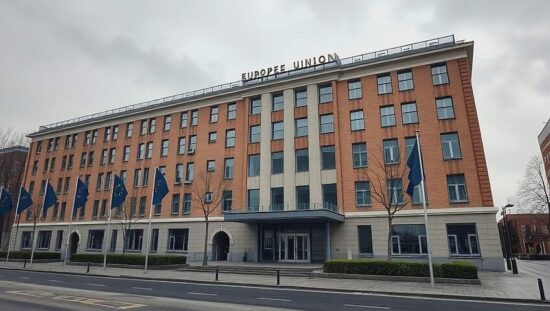
The European Union faces mounting pressure to escalate its response to the ongoing protests in Iran, with calls for a radical shift in policy regarding asylum and diplomatic engagement. Manfred Weber, Chairman of the European People’s Party (EPP) and a prominent figure within the Christian Social Union (CSU), has proposed a controversial measure: transforming EU embassies in Iran into safe havens for those fleeing the regime’s increasingly violent crackdown.
Weber’s call, publicized in an interview with Bild, suggests a significant escalation from current EU policy. He argued that “we must protect them from the terror regime” advocating for the opening of all EU diplomatic missions as shelters for peaceful protestors. This proposal represents a considerable departure from the cautious, often diplomatically muted, stance traditionally adopted by EU member states.
The initiative follows increasing criticism of the EU’s response to the widespread protests, ignited by the death of Mahsa Amini. European Parliament President Roberta Metsola has already publicly urged EU governments to provide substantially greater support to the dissent movement, demonstrating a growing frustration with perceived inaction. Metsola’s decision to ban all official representatives of the Islamic Republic of Iran from the European Parliament further underscores this mounting political tension and a shift toward a more confrontational approach.
Analysts suggest Weber’s proposal, while potentially symbolic, highlights a widening rift within the EU regarding the appropriate level of intervention. While it could offer tangible protection for vulnerable individuals, logistical and security challenges associated with establishing embassy-based sanctuaries are considerable. Furthermore, such a move risks further escalating tensions with Iran, potentially jeopardizing existing diplomatic channels and economic relationships.
The proposal raises critical questions about the EU’s commitment to human rights versus its broader geopolitical interests. While Weber’s statement affirmed Europe’s solidarity with the Iranian people and condemned the “deadly violence” of the ruling clerics, the execution of such a plan would require a delicate balancing act, one that could irrevocably alter the EU’s engagement with Tehran. The extent to which other EU leaders will support this drastic measure remains to be seen, but the escalating situation in Iran is undeniably forcing a reassessment of Europe’s diplomatic strategy.