



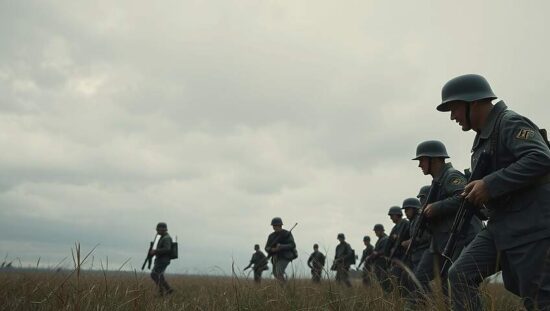
The possibility of deploying German troops to Ukraine is gaining traction within conservative circles, with prominent CDU foreign policy voice Armin Laschet suggesting it could be feasible under specific conditions. Speaking to publications within the Funke-Mediengruppe, Laschet, Chairman of the Bundestag’s Foreign Affairs Committee, stipulated that a credible ceasefire agreement with Russia, accompanied by robust American security guarantees for Ukraine, would be essential prerequisites. He acknowledged Chancellor Scholz’s previous commitment to stationing German soldiers on the periphery of Ukraine, adding that the extent of Bundeswehr involvement would ultimately depend on the evolving situation.
Laschet’s assessment deviates from the prevalent narrative of Russian intransigence, expressing a belief that Moscow would ultimately agree to a peaceful resolution. He posits that the United States is actively engaged in backchannel communication with Moscow, working towards a broader solution more extensively than publicly acknowledged. He further suggests that Ukrainian President Zelenskyy’s recent willingness to compromise is likely driven by indirect signals emanating from Russia.
However, Laschet’s comments also delivered a sharp critique of Europe’s reliance on the United States in navigating the conflict. He lamented the current state of affairs, where European positions painstakingly crafted via consultations with Zelenskyy are reliant on former Trump administration negotiators like Jared Kushner and Avi Berkowitz to relay them to Moscow. This, he argues, represents a “self-disempowerment” for Europe. He endorsed French President Emmanuel Macron’s efforts to re-engage in direct dialogue with Russian President Vladimir Putin, highlighting the urgent need for European nations to take a more proactive role.
Pressed on whether CDU leader Friedrich Merz should also engage in direct talks with Putin, Laschet offered a circumspect response, stopping short of a direct endorsement. Rather, he advocated for a carefully coordinated European approach, potentially initiating dialogue through a specially appointed envoy. This measured approach underscores a growing frustration within the CDU regarding the perceived limitations of current diplomatic strategies and a desire for a more assertive European role in shaping the future of Ukraine. The suggestion of deploying German troops, though conditional, signals a potential shift in Germany’s foreign policy stance and raises complex questions about the level of entanglement Berlin is willing to accept in the ongoing conflict.