




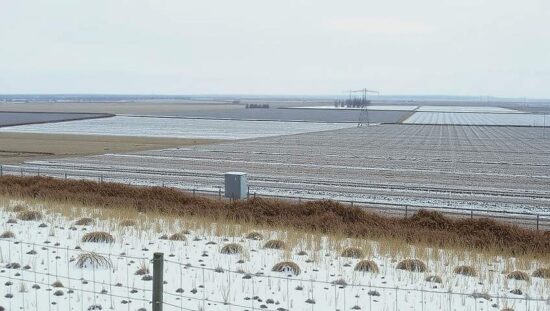
German farming associations are projecting surprisingly positive outcomes from the current cold snap and heavy snowfall gripping the nation, a stark divergence from the anxieties surrounding increasingly erratic weather patterns. While acknowledging immediate logistical challenges, leaders are cautiously optimistic about potential long-term benefits for this year’s harvest, a development that underscores the complex and sometimes paradoxical relationship between agriculture and extreme climate events.
Konrad Westphale, Vice President of Landvolk Niedersachsen, a prominent farmers’ association, told the Redaktionsnetzwerk Deutschland (RND) that there are no current concerns regarding the ongoing winter wheat planting or the health of existing crops. He attributes this resilience to an early frost in late November, which he describes as inducing a premature “dormancy” in plants and effectively curbing aphid infestations. Westphale’s assessment, particularly significant given Niedersachsen’s status as a key agricultural region heavily impacted by the recent storm “Elli” suggests a level of adaptation hitherto less publicly emphasized.
Peter Röhrig, Managing Director of the Federal Association of Organic Food Producers, echoed this sentiment, highlighting a process known as “frost heaving”. This phenomenon, whereby ice crystals expand and aerate soil, can improve its capacity to retain water and nutrients, potentially simplifying next spring’s planting and boosting soil health. Röhrig also noted the potential for the cold to eliminate pest populations, offering a natural, albeit harsh, form of pest control.
However, the positivity is tempered by a recognition of the immediate difficulties. Associations have pointed to logistical hurdles including frozen supply lines, treacherous road conditions impeding deliveries and the fact that snowfall deposits less moisture than rainfall. Prolonged periods of extreme cold are also adding to the financial burden on farmers, extending the duration of the stabling season and consequently driving up costs associated with bedding, feed and energy consumption.
The unexpected silver lining amidst these challenges raises critical questions about the resilience of German agriculture and the broader impact of increasingly unpredictable weather events. While a short-term boon for some harvests might be welcomed, the underlying trends of climate volatility necessitate a deeper examination of the long-term sustainability of farming practices and the need for proactive governmental support to mitigate future risks and adapt to an increasingly challenging environment. The current narrative highlights the need to move beyond reactive measures and invest in strategies that foster adaptability and resilience within the agricultural sector – a sector undeniably on the front lines of the climate crisis.