

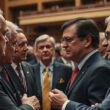


The ongoing protests in Iran present a volatile, yet potentially transformative, moment for the nation’s political landscape, according to German Green Party politician Omid Nouripour. Speaking to Funke-Mediengruppe newspapers, Nouripour, who himself emigrated from Iran as a child, characterized the situation as precarious, highlighting both the potential for democratic advancement and the risk of a severe crackdown.
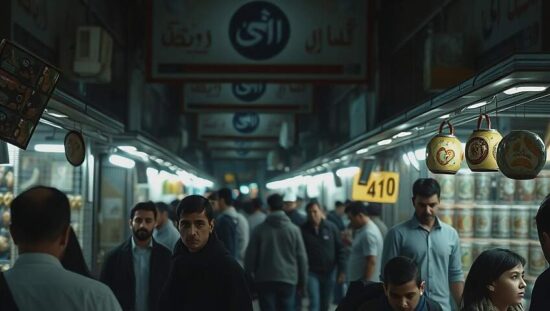
Nouripour emphasized the deeply problematic economic and social conditions fueling the unrest. He noted that the protests are no longer confined to marginalized communities, but increasingly involve elements of Iran’s middle class – a significant shift indicating widespread discontent. “The people are rising up to be able to live more freely” he stated, contrasting this aspiration with the regime’s predictable response of violence.
This dynamic creates an unpredictable environment, leaving open the possibility of a genuine “moment of democratization”. However, Nouripour cautioned that an equally plausible scenario is a hardline power grab by the Islamic Revolutionary Guard Corps (IRGC), potentially through a military coup.
Nouripour’s remarks carry a sharp call to action for the European Union and the German government. He criticized the EU for past inaction regarding Iran, warning against a repeat of passively observing events. A core element of his appeal is a renewed push to formally designate the IRGC as a terrorist organization by the EU. He directly challenged incoming German Chancellor Friedrich Merz to prioritize this objective, suggesting that doing so would demonstrate a commitment to fulfilling promises previously articulated by the conservative CDU party while in opposition.
The protests, which have been occurring for several days, have been met with a brutal response from the Iranian regime, resulting in at least seven reported deaths. The unfolding crisis underscores the fragility of the current political order and the urgent need for international scrutiny and proactive engagement.