



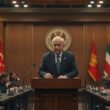

Lower Saxony’s Minister-President Olaf Lies is publicly urging the German federal government to extend its proposed electric vehicle purchase incentive to include used cars, a move that could significantly broaden the initiative’s reach and address concerns about equitable access to electric mobility. Currently, the planned bonus of €3,000 is slated to apply exclusively to new electric vehicle purchases.
Lies, in an interview with “Welt am Sonntag”, argued that restricting the incentive to new vehicles disproportionately benefits higher-income households. “Individuals with lower incomes purchase young used cars, not new cars, even when the latter are heavily subsidized” he stated. He believes a used car incentive is crucial for ensuring that the transition to electric mobility is truly inclusive and accessible across all socioeconomic strata.
Beyond the equity argument, Lies’s call also reflects a strategic consideration regarding the current landscape of the electric vehicle market. He pointed out the absence of a significant number of older vehicles imported from China, suggesting a used car incentive would inherently favor European-made models. As a member of the Volkswagen supervisory board and the leader of Lower Saxony’s government, Lies emphasized that supporting the used electric vehicle market represents “a tremendous opportunity for European e-mobility.
The debate highlights a growing tension within the German government regarding the design and scope of its electric vehicle promotion strategy. While the initial focus on new vehicles aimed to stimulate the industry and accelerate production, critics have argued that it inadvertently creates a barrier to entry for a large segment of the population. Lies’s intervention places renewed pressure on the federal government to reconsider its approach and potentially broaden the scheme to foster a more equitable and sustainable transition to electric transportation – a transition increasingly recognized as critical for meeting Germany’s climate goals and bolstering the competitiveness of European automakers. The potential impact on the VW group, a major employer in Lower Saxony, also subtly underscores the political weight behind Lies’s demand.