



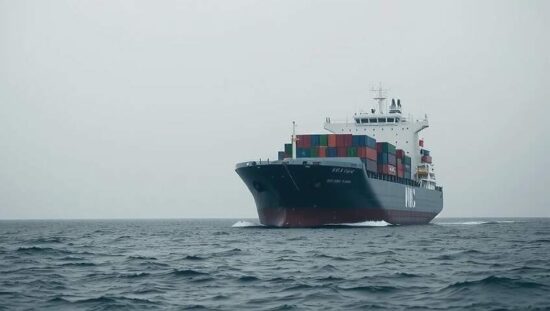
The United States has escalated tensions with Venezuela, seizing an oil tanker off the nation’s coast in a pre-dawn operation on December 20th. Homeland Security Secretary Kristi Noem announced the action, stating it was part of an ongoing effort to disrupt the illicit trade of sanctioned Venezuelan oil, purportedly used to finance regional drug trafficking.
The incident, widely condemned by Caracas, marks an intensification of Washington’s long-standing pressure campaign against the Maduro regime. While US officials maintain the tanker was carrying sanctioned oil, reports suggest the vessel itself was not on the official list of ships targeted by US sanctions. This discrepancy raises questions regarding the legal justifications for the seizure and the potential for overreach in US enforcement actions.
Venezuelan Interior Minister Diosdado Cabello vehemently denounced the move, characterizing it as “theft” and the “kidnapping” of a privately-owned vessel by US military personnel operating in international waters. Cabello’s accusations underscore the deep distrust and animosity between the two nations and are likely to fuel already strained diplomatic relations.
Analysts suggest the seizure, while framed as an anti-drug operation, also serves a broader strategic purpose: to further isolate the Maduro government politically and economically. Critics argue the US’s increasingly assertive actions in the region risk destabilizing Venezuela and potentially exacerbating humanitarian concerns, despite assertions that the intent is to target criminal networks. The lack of full transparency regarding the specifics of the tanker’s cargo and the justification for selecting it presents ongoing concerns about the proportionality of US intervention and its potential impact on international maritime law. The incident invites broader scrutiny of the efficacy and collateral damage of Washington’s sanctions policy towards Venezuela.