




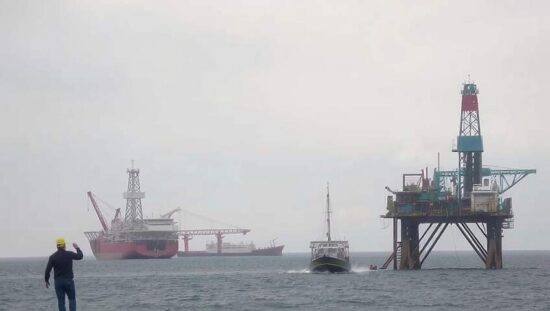
The German Green Party’s leadership is claiming a significant victory in its ongoing campaign to block natural gas exploration off the coast of Borkum, citing the Bundesrat’s recent decision to abstain from comment on the proposed legislation during discussions regarding a unitarization agreement with the Netherlands. Felix Banaszak, the Green Party’s national chairman, hailed the Bundesrat’s silence as a confirmation of his party’s position, articulating his staunch opposition to the gas extraction project in an interview with the “Weser-Kurier”.
Banaszak reiterated his conviction that the agreement should be abandoned, emphasizing the imperative to safeguard the Wadden Sea, a UNESCO World Heritage site. He passionately defended the area’s ecological significance, arguing passionately for future generations to experience its unique environment – a vision of children wading through tidal flats in rubber boots, appreciating the North Sea’s natural beauty.
The Green Party leader attributes this apparent setback for the project to the collective pressure exerted by civil society groups, highlighting a history of his party’s resistance. Concerns regarding the gas exploration were initially raised during the previous government and are currently being vociferously echoed by all Green-led state governments. This coordinated push, he states, signals a genuine possibility of preserving this exceptional natural heritage.
However, the situation raises critical questions about Germany’s energy policy direction. Banaszak accuses the proposed gas extraction project of posing a direct threat to a fragile ecosystem, while simultaneously disguising itself as an instrument of climate protection. He characterizes it as a “fossil mega-project” rooted in outdated thinking, arguing that it would lock Germany into decades of fossil fuel dependence, actively hindering the transition to renewable energy sources. The incident underscores a widening ideological rift within German politics, with the Greens increasingly positioning themselves as the uncompromising defenders of environmental protection, even if it means confronting established energy interests and potentially jeopardizing short-term economic considerations. The Bundesrat’s tacit endorsement of Banaszak’s stance – through their decision to remain silent – suggests a growing political sentiment aligned with the Greens’ vision for a sustainable future, leaving questions about the government’s commitment to a rapid decarbonization pathway.