


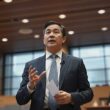

The German Left party is intensifying its critique of the nation’s district heating industry, alleging exploitative pricing practices and calling for drastic regulatory intervention. Jan van Aken, co-leader of Die Linke, accused major corporations dominating the Fernwärme sector of “shamelessly” leveraging their monopolistic positions to inflate costs for consumers already struggling with precarious finances.
The criticism follows a recent report by the German Institute for Economic Research (DIW), which, while initially suggesting that district heating prices hadn’t risen as sharply as those of heating oil and gas since the onset of the energy crisis, now reveals a concerning trend. The report indicated that Fernwärme prices surged by a disproportionate 27% between 2023 and 2024. This contrasts starkly with a mere 5% increase in gas prices and a 10% decline in heating oil prices, highlighting a divergence in cost burdens impacting households.
Van Aken voiced deep concern that many citizens are nearing the limits of their financial capacity to manage steadily escalating heating costs. He argues that unchecked corporate profit-taking is driving this unsustainable trajectory and risks a situation where tenants are forced to choose between heating their homes and covering basic necessities. “It’s simply unfair and unacceptable” he stated bluntly.
Beyond a proposed ban on corporate profit generation within the Fernwärme sector, Die Linke is demanding heightened state oversight and price controls to ensure affordability. The party also underscores a need for drastic improvements in pricing transparency, which is currently lacking within the industry and a accelerated transition towards renewable energy technologies. Specific solutions advocated include geothermal energy utilization, large-scale heat pumps and the capture of waste heat from data centers-strategies argued as vital for lessening reliance on conventional energy sources and stabilizing pricing. The Left’s demands underscore a widening political rift over energy policy and the equitable distribution of the burdens arising from the ongoing energy crisis.