




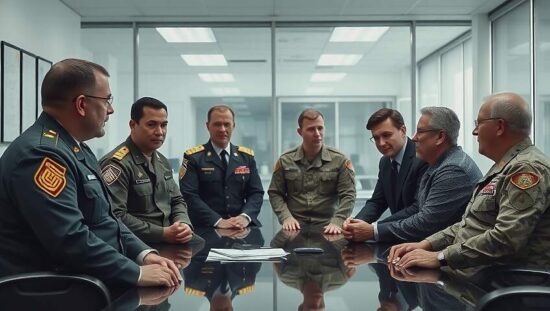
A prominent voice within German security policy is advocating for a significant shift in working hours, proposing the reinstatement of a 48-hour workweek in key sectors to bolster national defense capabilities. Generalmajor Wolf-Jürgen Stahl, President of the Bundesakademie für Sicherheitspolitik (Federal Academy for Security Policy), argued in a recent podcast interview that simply allocating increased funding to the Bundeswehr is insufficient. He emphasized that the training of soldiers on new equipment necessitates a substantial investment of time, a factor he believes the current, more flexible working models fail to adequately address.
Stahl’s proposal extends beyond the military, suggesting the potential benefits of a 48-hour workweek within the arms industry as well. This recommendation reflects a broader concern regarding Germany’s capacity for rapid response and industrial resilience in the face of escalating geopolitical tensions. He explicitly stated that maintaining both civilian and military preparedness in the event of an attack requires a guaranteed level of commitment, one he doubts can be solely reliant on voluntary participation.
The security expert’s pronouncements carry significant weight, especially given the current context of heightened risks emanating from Russia. Stahl bluntly asserted that President Vladimir Putin is aggressively rearming, exceeding what is necessary for ongoing operations in Ukraine. He characterized Putin’s actions as strategically aimed at weakening Europe, actively pursued through existing “hybrid attacks”. This critique underscores a growing apprehension within German security circles regarding Russia’s destabilizing influence and the need for a more decisive and structured commitment to national security, even if it necessitates revisiting established labor practices and potentially sparking debates about individual liberties versus collective defense. The suggestion of mandated working hours, while controversial, signals a growing unease over the nation’s ability to effectively counter evolving threats.