




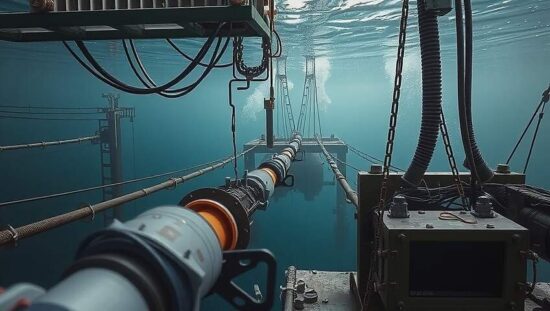
A new report from the German Monopol Commission has raised serious concerns regarding the escalating structural dependence on submarine cables for transatlantic data transmission, highlighting a growing dominance by US-based Big Tech companies and the resultant shortcomings in regulatory oversight. Commission Chair Tomaso Duso, in an interview with Handelsblatt, warned that the current situation poses both economic and security risks for Europe.
The report details how a significant portion – approximately 90% – of transatlantic data traffic now flows through cables financed or operated by American tech giants. This development marks a dramatic shift from a time when submarine cables were considered a niche area, transforming them into a matter of increasing strategic importance. Critically, many of these cables are being built outside of the scope of traditional telecommunications regulations, primarily to serve the internal needs of these US corporations.
This lack of regulatory framework presents a significant challenge, as European authorities struggle to gain visibility into ownership and control structures. Duso emphasized that international cables frequently fall outside the bounds of national regulatory powers, creating a legal grey area that hampers effective oversight. “National authorities are often not competent” he stated, adding that even the Monopol Commission itself has encountered difficulties in obtaining reliable data.
The implications extend beyond simple market dominance. The report suggests a potential vulnerability in Europe’s digital infrastructure, raising questions about data security and potential leverage by US companies. The Commission’s findings underscore a need for a reassessment of regulatory approaches to submarine cables, potentially involving international cooperation to establish clear oversight and ensure a more equitable balance of power in the transatlantic digital landscape. The security policy relevance, once a minor consideration, now demands urgent attention.