



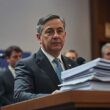

The upcoming coalition committee meeting is being approached with a sense of optimism by CSU leader Markus Söder, particularly regarding the planned overhaul of Germany’s citizen’s allowance (Bürgergeld) program. Söder signaled a firm expectation for the Social Democrats (SPD) to adhere to previously agreed-upon reforms, stating that the matter is “essentially settled” and should be implemented without deviation. His remarks, delivered to RTL and ntv, underscored a growing frustration within the conservative bloc regarding perceived inflexibility from the SPD.
Söder’s comments directly linked the Bürgergeld reform to the broader coalition agreement, implying that the SPD’s commitment to pension policy should be reciprocated with compliance on social welfare initiatives. He cautioned against prioritizing political sensitivities over economic recovery, asserting that all other considerations must be subordinate to the need to strengthen the German economy.
The CSU leader extended this assertive stance to infrastructure development, explicitly criticizing what he described as “exaggerated” environmental and nature conservation concerns which he argues impede progress and ultimately offer little tangible benefit. He demanded a “priority” for infrastructure projects, suggesting a willingness to bypass stringent ecological assessments.
This position extends even to the calls for a complete abolition of the Bürgergeld program, which he implied cannot be meaningfully debated within the current coalition framework. Söder’s unambiguous statements point to a power dynamic shifting within the governing alliance and raise questions about the potential for further clashes over policy implementation and ideological priorities as the government navigates a complex economic landscape. The tone suggests a move towards a more proactive and potentially confrontational approach from the CSU, positioning them to exert greater influence on governmental decisions.