




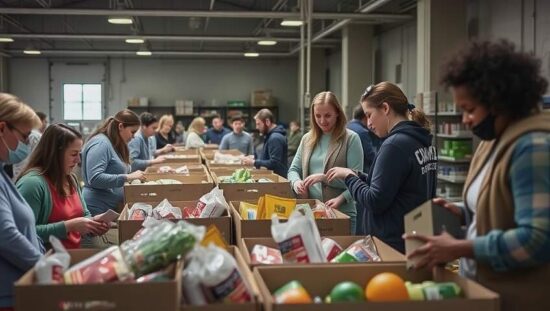
while volunteer numbers have reached a record high, the escalating demand for assistance and systemic challenges threaten their long-term sustainability.. Andreas Steppuhn, chairman of Tafel Deutschland, reported a welcome increase of roughly 2,000 volunteers this year, bringing the total to approximately 77,000. However, he stressed that one-third of food banks continue to face severe staffing shortages, hindering their ability to adequately serve the growing number of people in need.
The expanding workload, particularly in logistics and distribution, has prompted some food banks to extend their opening hours and lift temporary intake restrictions. However, Steppuhn cautioned that such measures are not universally feasible, highlighting the already strained resources of the network. Currently, an estimated 1.5 million individuals rely on Tafel services regularly, with a quarter of the food banks operating under waiting lists or temporary closures. While this represents a slight improvement from 2024, when nearly a third were forced to deny new clients, Steppuhn warned that the system is nearing its capacity.
Compounding the pressure is a notable decline in food donations from supermarkets and discount retailers. Steppuhn attributes this trend to the ongoing digitalization of the retail sector and a shift towards more sustainable business practices – effectively reducing the surplus food available for charitable redistribution.
A developing concern is the demographic profile of Tafel’s volunteer base. A significant 70 percent of volunteers are older than 63 years of age. Maintaining this vital workforce while attracting younger individuals willing to assume leadership roles presents a critical challenge for the organization.
On the occasion of “National Volunteer Day” Steppuhn is urging political intervention to make volunteer work more accessible and attractive. He proposes the establishment of a “Right to Volunteer” encompassing legal frameworks that facilitate engagement for all citizens, regardless of employment status or life stage. This initiative would require legislative action to remove existing barriers to participation.
Beyond broad policy changes, Steppuhn advocates for tangible financial support for volunteers, who often incur out-of-pocket expenses, such as transportation costs. He suggests measures like free public transportation and a nationwide “Volunteer Card” offering discounts on everyday activities, such as museum visits. The success of Germany’s food banks hinges not only on the dedication of its volunteers, but also on a concerted political effort to ensure their long-term viability in the face of evolving socio-economic pressures.