




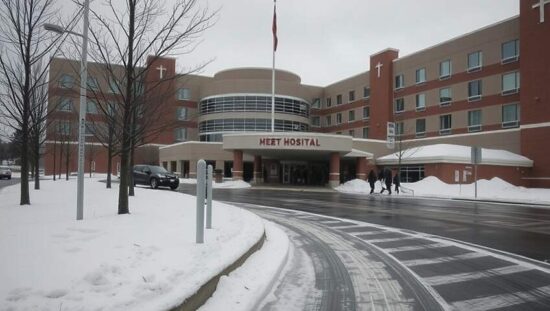
The escalating strain on Germany’s healthcare system is reaching a critical point, driven by a confluence of weather-related injuries and a surge in respiratory illnesses. Gerald Gaß, CEO of the German Hospital Confederation (DKG), warned the Redaktionsnetzwerk Deutschland that hospitals are experiencing “a significant increase in patient numbers” in emergency rooms due to accidents caused by ice and snow. This situation is compounded by a growing prevalence of respiratory ailments impacting both patients and hospital staff, resulting in higher rates of employee absenteeism and further exacerbating the burden on already stretched resources.
General practitioners are also reporting a noticeable rise in cases stemming from falls, with regional reports indicating an increase in patients seeking treatment for injuries ranging from wrist and hip fractures to shoulder and head trauma. Markus Beier, head of the general practitioners’ association, emphasized the heightened risk for elderly individuals.
The upcoming weeks are anticipated to bring further challenges. Medical professionals are bracing for a renewed wave of respiratory infections, with Beier noting that the early start to this year’s influenza season suggests the current wave is far from over. He strongly urged the public to get vaccinated, while simultaneously highlighting a concerning development: shortages of influenza vaccines have already been reported in several regions since mid-December, raising questions about the government’s preparedness for a potential public health crisis and equitable access to preventative measures. The current situation underscores a systemic vulnerability within the German healthcare infrastructure, raising concerns about the capacity to effectively respond to concurrent emergencies and the potential long-term impact on patient care.