




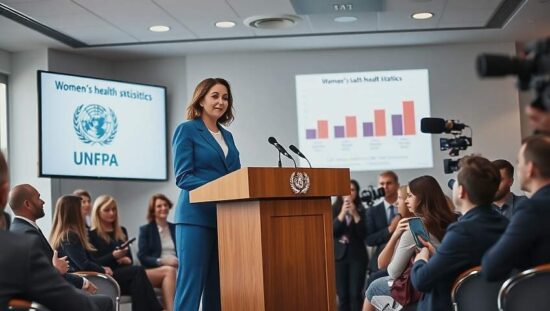
Nigina Muntean, the head of the innovation department at the United Nations Population Fund (UNFPA), argues that Germany has a serious gap in the health care available to women. In articles for the Funke Media Group she highlighted structural shortcomings in research, diagnostics and medical innovation.
The debate has intensified after Federal Minister of Research Dorothee Bär (CSU) referred to Germany as a “developing country” when speaking about women’s health. Muntean calls the remark provocative, but it draws attention to a real issue, noting that “all countries are developing countries when it comes to women’s health”.
On average, women spend about nine years of their lives in poorer health than men. Muntean further explains that the gender‑health gap has economic consequences: delayed detection or suboptimal treatment of diseases in women leads to longer illness periods, increased absenteeism, and lower productivity. “For the economy, the gender health gap is toxic” she says.
To address the problem, she proposes three key steps for Germany: systematic collection of health data by gender, a significant boost in funding for women’s‑health research, and stronger support for innovation in this field. If these measures are brought together, Muntean is confident that noticeable progress can be achieved in a relatively short time.