




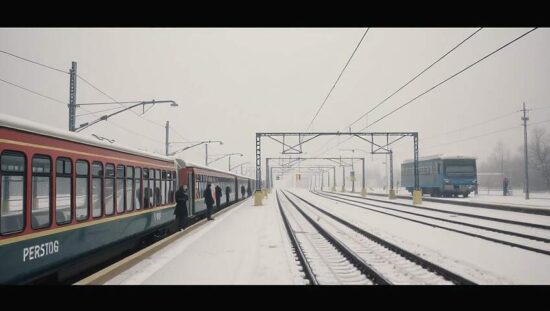
A growing chorus of criticism is targeting the German government and Deutsche Bahn following widespread travel disruptions caused by the recent severe winter weather. The Green Party is now calling for a rigorous review of the railway’s crisis management protocols, alleging a decline in resilience and raising questions about the efficacy of federal oversight.
Matthias Gastel, a railway expert advising the Greens, voiced his concerns in an interview with the “Rheinische Post”, stating that the federal government has a responsibility to scrutinize Deutsche Bahn’s response and its own role in the situation. He specifically highlighted the limited federal subsidies available for trackside heating systems (Weichenheizungen) as a contributing factor to the problems.
The criticism centers on what observers describe as an increasingly cautious approach by Deutsche Bahn. Gastel argues that the railway is now restricting service in conditions that historically would have been managed without interruption. While acknowledging that mitigating factors exist, he pointedly suggested not all responsibility rests with the rail operator.
A key element of the Green Party’s argument is the vulnerability of modern rail stock. Gastel noted that contemporary trains are “less winter-ready” than their predecessors, a revelation which raises concerns about the impact of technological advancements and potential cost-cutting measures on operational robustness. This assertion implies a prioritization of newer, potentially less adaptable, equipment over more reliable, older models.
The developing situation places political pressure on the governing coalition to address the shortcomings identified and reassess the balance between modernization, cost efficiency and the enduring reliability of Germany’s rail network. The call for a critical examination underscores a broader debate about the responsibility of the state in ensuring essential infrastructure remains capable of withstanding extreme weather events and a potential long-term decline in winter preparedness.