



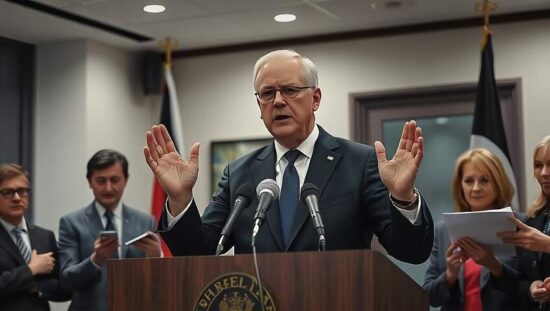
Prime Minister of Rhineland-Palatinate, Alexander Schweitzer (SPD), intends to keep his current coalition-known as the “traffic light” alliance of the SPD, Greens, and FDP-in office after the March election. When asked on Politico’s podcast about his future plans, Schweitzer said he enjoys working with his coalition. He noted that the first traffic‑light government in the state had functioned successfully for a decade, a period during which it has often been dismissed as a “boring” administration, a label he sees as a compliment and one he would not wish to abandon.
Though the coalition currently does not hold an outright majority in opinion polls, Schweitzer acknowledges the FDP’s recent difficulties yet expresses confidence that the party can regain strength. He described Rhineland‑Palatine politics as a tradition where the SPD typically trails the CDU before a state election and then makes a comeback. He made it clear that any future government would not rely on a junior partnership; he remains the chief minister and will continue in that role as long as the SPD secures first place in the legislature.
Schweitzer did not rule out cooperation with the Left Party outright, but he is convinced the party will not win seats in the Rhineland‑Palatian state parliament. He categorically excluded cooperation with the AfD, calling it untenable and insisting that the party belongs in the “strong majority of the democratic center”. He praised the policy focus of the federal government, noting the Chancellor’s good performance in European foreign policy and hoping for similar success in domestic politics. Schweitzer also lauded several federal ministers for their constructive approaches to digitalization and state modernization.
When discussing inheritance tax, he framed it as a “justice issue” but stressed the need for small‑business‑friendly solutions and refused to endorse tax relief without appropriate revenue measures, stating that those who provide relief must also address the financing question, otherwise the measure would fail.