

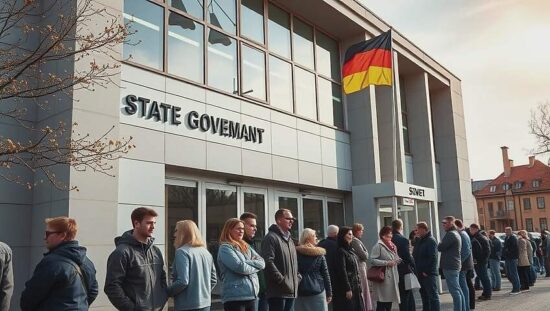
The state election in Rhineland‑Palatinate has begun. Nearly three million voters are set to choose a new 101‑member Landtag. Of those seats, 52 are filled by direct constituency elections and 49 are allocated via the parties’ state lists.
Prime Minister Alexander Schweitzer (SPD) aims to keep the “traffic‑light” coalition with the Greens and the FDP, but recent polls suggest this would be difficult. The Free Democratic Party’s support is reported to be almost negligible-between zero and three percentage points-while the Greens are expected to hold around the same level as five years ago, roughly nine percent.
The SPD, which secured about 36 percent in 2021, is forecast to fall short by almost ten percentage points and will trail the CDU, which is seen by the institutes at 28-29 percent. The Left and the Free Voters are projected to hover near five percent each, putting their chances of making it into the Landtag in doubt.
Given this mix of results, a grand coalition looks the most probable outcome, but it remains unclear which party will ultimately lead the state.
Like the situation two weeks earlier in Baden‑Württemberg, the CDU in Rhineland‑Palatinate faces a dilemma: although it currently leads marginally in the polls, many voters have stayed undecided in the final days before the vote, and CDU candidate Gordon Schnieder is not viewed as the top choice according to recent surveys.