




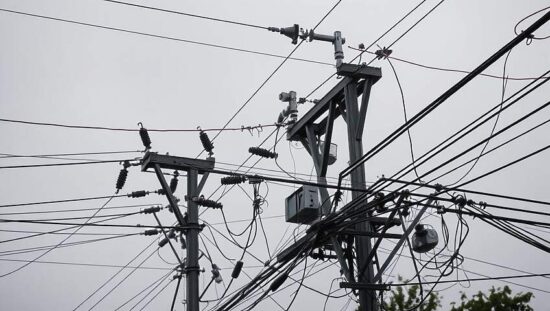
The recent attack on Berlin’s power grid highlights a systemic vulnerability across Germany’s critical infrastructure, according to Ingbert Liebing, CEO of the Association of Municipal Utilities (VKU). In an interview with the Frankfurter Allgemeine Zeitung, Liebing asserted that Berlin’s experience is not an isolated incident, emphasizing that “such attacks are fundamentally possible everywhere”. He warned that the threat extends beyond power lines, potentially jeopardizing the water supply and other essential services.
While Germany’s energy infrastructure is lauded for its reliability and boasts robust technical safeguards, Liebing cautioned that even the most advanced systems are susceptible to targeted aggression. He framed the current security landscape as a state of “hybrid warfare” acknowledging threats originating both domestically and internationally.
Liebing expressed deep concern regarding the slow pace of investigations into the “Vulkangruppe” the group that claimed responsibility for a letter preceding the Berlin attack. He argued that the repeated nature of the attacks warrants significantly intensified law enforcement efforts, adding that a greater urgency would likely prevail if the attacks were directed at individuals rather than infrastructure.
The ongoing debate surrounding the new “Critical Infrastructure Protection Act” (Kritis) in the Bundestag also drew criticism from the VKU head. Liebing stressed that the protection of infrastructure is a matter of state responsibility and that private network operators cannot effectively defend against threats like drone surveillance and direct attacks, requiring intervention from security agencies.
A critical point of contention revolves around the financial burden of increased security measures. Liebing underscored the necessity of financial support for utility companies to offset the costs of enhanced security protocols, warning that failure to do so risks further escalating electricity prices. He argued that the federal government’s special fund should be deployed to address these escalating security needs and prevent undue financial strain on essential utility providers. The situation underscores the potential for Germany’s robust infrastructure to be a target in a broader geopolitical context, demanding increased vigilance and strategic investment.