




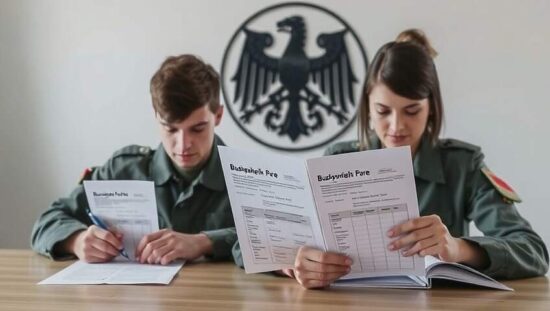
Since January 1, about one‑quarter of young men and women have answered the Bundeswehr’s new service questionnaire. However, the response rates differ starkly between the sexes. Women are asked to reply voluntarily, whereas men face potential penalties if they do not. Most recent figures suggest roughly 50 % of 18‑year‑old men have responded, compared with only about 6 % of women. The data do not reveal how many are actually willing to serve, and male respondents must reply within a four‑week deadline. The defense ministry has so far declined to comment on the details.
The system stems from legislation passed in 2008. Nearly 700 000 children were born that year; when they turn 18 they will receive a QR code that opens a questionnaire assessing their suitability and willingness to serve. Those who qualify are then summoned for a muster. Starting in 2027 all young men are scheduled to be mustered. The new service remains voluntary for the moment, but the law aims to raise active‑force numbers from about 184 000 today to 255 000-270 000 by 2035. Failure to attract enough volunteers would allow the current coalition to reinstate compulsory service.
In early February Defence Minister Boris Pistorius (SPD) announced that roughly 40 000 questionnaires had been sent out. He acknowledged that it would take two to three months to gauge the willingness of young men and women to serve, yet expressed confidence that Germany could eventually do away with general conscription. Many experts and defense policy makers in the CDU/CSU parliamentary group, however, remain skeptical of that prospect.