



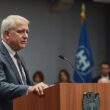
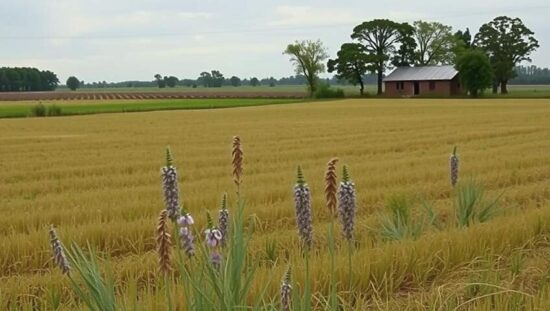
The recently concluded Mercosur free trade agreement has elicited a cautiously optimistic response from German Agriculture Minister Alois Rainer, who has simultaneously underscored the necessity for future adjustments to safeguard European farmers. Rainer, of the CSU party, acknowledged the protective clauses incorporated into the agreement as “an important step” towards securing vulnerable agricultural markets, but stressed their practical implementation must be rigorous and adaptable.
Speaking to the Funke-Mediengruppe newspapers, Rainer articulated a key concern: the effectiveness and rapid deployability of these clauses. He cautioned that should imports of sensitive products – such as sugar and beef – surge excessively or prices experience undue pressure, the EU must be prepared to “resolutely act” and, crucially, to refine the existing protections. This signals a potential vulnerability within the agreement, despite the official welcome.
While Rainer broadly supports the deal, framing Mercosur as “central” to the EU’s trade policy strategy amidst challenging geopolitical circumstances, his comments reveal an underlying political tension. The assertion that free trade and agricultural protection must occur “hand in hand” suggests a recognition of the inherent conflict between expanding trade access and potentially disadvantaging domestic producers.
The promise of additional EU funding for the agricultural sector, which Rainer deemed “an important and correct signal” is likely intended as a preemptive measure to appease anxieties amongst farmers who fear increased competition. Rainer’s explicit declaration of solidarity with farmers and his commitment to protecting their interests underscores the political sensitivity surrounding the agreement and suggests that continued monitoring and potential intervention will be vital to maintaining support within the agricultural community. The long-term success of the Mercosur deal, therefore, appears contingent on the EU’s demonstrable ability to dynamically address unforeseen economic consequences for European farmers.