




Federal Intelligence Agency Flags Escalation of Left-Wing Infrastructure Sabotage
A recent analysis by the Federal Office for the Protection of the Constitution (Verfassungsschutz) has revealed a concerning increase in damage caused by left-wing extremist sabotage targeting critical infrastructure and businesses across Germany. The scale of destruction, previously estimated at “several million euros” annually, is now assessed to be in the “double-digit millions” according to a report published by “Bild am Sonntag”.
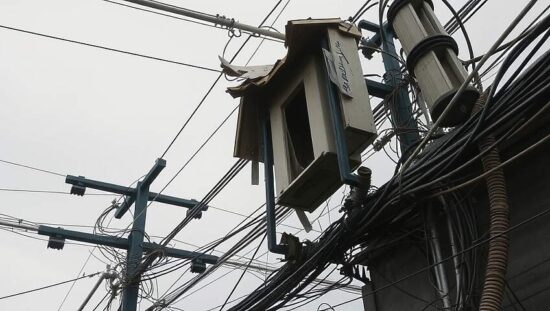
The assessment follows a deliberate arson attack on a power grid in southwestern Berlin on January 3rd, which plunged approximately 45,000 households and 2,200 businesses into darkness for days. Authorities suspect the attack was perpetrated by a group known as the “Vulkangruppe” (Volcano Group), which the Verfassungsschutz believes acts as a front for a broader, hidden network. The agency suggests the name “Vulkangruppe” functions as a kind of label, adopted by disparate structures within the “violent anarchist spectrum”. This signals a potential level of organization and coordination previously downplayed by security services.
The revelation raises serious questions about the efficacy of current counter-terrorism and counter-sabotage measures. Critics are already pointing to potential shortcomings in intelligence gathering and preventative action. The Verfassungsschutz’s analysis indicates ongoing scrutiny of another left-wing extremist group, “Kommando Angry Birds” (Angry Birds Command), which claimed responsibility for disrupting a crucial railway line between Düsseldorf and Duisburg in July 2025. While the full implications of this group’s actions are still being investigated, the incident demonstrates a willingness to target essential transportation links, potentially impacting the wider economy and public safety.
The escalated threat demands a heightened response from German law enforcement and intelligence agencies. Opposition politicians are likely to demand a parliamentary inquiry into the Verfassungsschutz’s handling of the evolving threat, pushing for greater resources and proactive strategies to protect critical infrastructure from increasingly sophisticated and destructive acts of sabotage. The shifting ideological landscape and decentralized nature of these groups pose a considerable challenge, requiring a nuanced and adaptive approach if Germany is to effectively safeguard its essential services and national security.