




The ongoing conflict between the United States and Iran is prompting noticeable behavioral changes among German consumers regarding energy consumption. According to a survey commissioned by a comparison portal (and cited by the Funke media group in its Sunday editions), the most common adjustments are simple, everyday economies. However, a majority of respondents remain hesitant about making a fundamental shift away from fossil fuels.
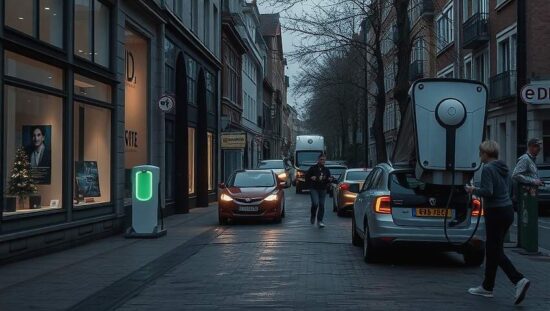
Overall, two-thirds of those surveyed (67%) reported consuming energy more consciously because of increasing costs. Specific measures include avoiding standby modes on electronic devices (56%), intentionally reducing overall electricity consumption (52%), lowering central heating temperatures (55%), and conserving hot water (47%). This effect was also visible in transportation: 48% indicated they were using their cars less frequently due to high fuel prices. Instead, many Germans opted to cycle more often (29%) or utilized public transport (24%).
Conversely, a noticeable quarter of respondents (27%) reported making no energy savings. Most of this group (52%) cited their previous habits of frugality, arguing that they saw no further potential for reduction. This reluctance was particularly pronounced among the 70- to 79-year-old age group (65%). While another 22% of the non-saving group acknowledged the pressure of higher energy costs, they found the impact financially manageable. Furthermore, 18% stated they did not want to change their daily routine, and another 18% said they barely noticed the increased costs.
Despite the financial pressure and political debate over supply security, a major commitment to structural change remains elusive. While approximately a quarter of those surveyed (23%) had already implemented measures, and an additional 38% planned to, a large group of 40% remained passive.
When individuals have already taken action, their focus tended to be on immediate energy-saving tactics (48%) and leveraging solar energy sources (68%). More involved investments, such as deep building insulation (26%), modern heating systems (19%), or switching to electric vehicles (22%), were significantly less common. A similar pattern emerged when considering future independence from fossil fuels: the majority leaned towards consumption reduction (49%) and solar solutions (46%), rather than more significant structural changes like installing a new heating system (16%) or providing thorough building insulation (13%).
This wave of energy price increases stemmed primarily from the sharp rise in energy costs across Germany following the US attack on Iran, prompting the federal government to offer temporary relief through fuel discounts at gas stations.
The survey was conducted online by the market research institute Innofact in April 2026, sampling 1,013 individuals aged 18 to 79.