


The Iranian regime is teetering on the brink of a profound crisis, according to German Parliament Vice-President Omid Nouripour, as widespread protests continue and casualties mount. Speaking to Bild, Nouripour, himself an Iranian native, characterized the situation as “on the verge of an explosion” citing a collapsing currency, the erosion of the middle class and pervasive corruption and mismanagement as key contributing factors.
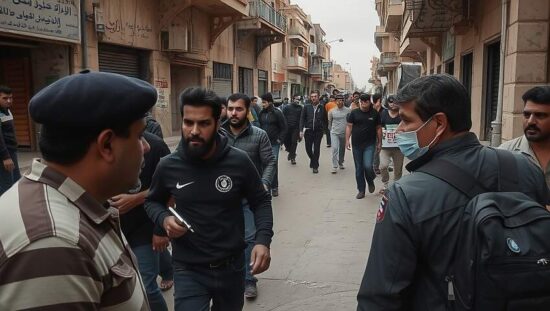
The protests, fueled by public discontent over economic hardship and restrictions on personal freedoms, have been met with escalating violence from the authorities. Nouripour underscored the regime’s reliance on force as its primary response, highlighting a dangerous trajectory with unpredictable outcomes. “Anything is currently possible: from democratization to a military coup by the Revolutionary Guards” he stated, emphasizing the heightened volatility within the country.
Nouripour’s assessment carries particular weight given his personal connection to the region and his longstanding advocacy for human rights in Iran. He is now pressing the European Union and the German government to adopt a more assertive stance, specifically advocating for the formal designation of the Iranian Revolutionary Guard Corps (IRGC) as a terrorist organization. “The EU must finally place the Revolutionary Guards on the terror list” he argued, criticizing the previous inaction despite consistent calls from parties like the CDU.
The escalating tensions have also drawn the attention of the United States. President Donald Trump issued a statement on Friday, signaling potential US intervention should the government continue its violent suppression of peaceful demonstrations. While underscoring a willingness to assist the Iranian people, Trump’s declaration has been sharply rejected by Tehran, which has explicitly denounced any foreign interference in its internal affairs. The rhetoric from Washington risks further escalating a complex and increasingly precarious situation, potentially pushing the region towards a broader crisis while complicating diplomatic efforts aimed at de-escalation. The prospect of escalated conflict and political instability remains a palpable concern for international observers.