



Sixteen days into a nationwide wave of protests against the Iranian government, human rights organizations report a staggering death toll exceeding 648, with potentially thousands more injured. The Oslo-based Iran Human Rights (IHRNGO) released the grim figures on Monday, acknowledging the significant challenge in independently verifying these reports due to ongoing internet restrictions and severe limitations on access to information imposed since January 8th. Estimates suggest over 10,000 individuals have been arrested in connection with the demonstrations.
The IHRNGO’s Director, Mahmood Amiry-Moghaddam, delivered a stark warning, drawing parallels between the current government’s actions and the regime’s atrocities of the 1980s, already condemned as crimes against humanity. He raised a critical and deeply concerning prospect of mass executions and extrajudicial killings of protesters, noting the imminent announcement of a first execution directly linked to the demonstrations.
“The widespread killing of civilian protesters by the Islamic Republic in recent days evokes the regime’s crimes in the 1980s, which have been recognized as crimes against humanity” Amiry-Moghaddam stated. The organization is urging the international community to fulfill its responsibility to protect Iranian protesters from further violence perpetrated by the government and its Islamic Revolutionary Guard Corps (IRGC). Calls are being directed towards democratic nations to pressure their governments to take action.
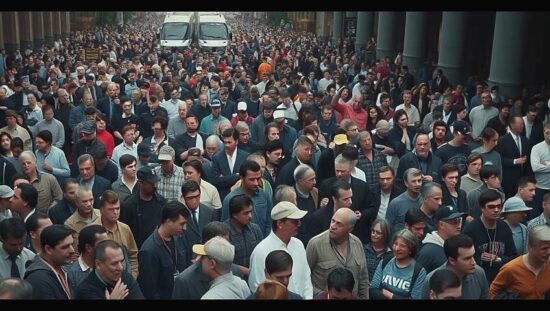
The protests, initially sparked on December 28th within the bustling Tehran bazaar due to widespread economic grievances, rapidly escalated, spreading across the nation and evolving into increasingly vocal demonstrations against the political system. Before the imposed internet blackout, observers reported the protests had encompassed all 31 Iranian provinces and approximately 120 cities.
Interestingly, counter-demonstrations are now emerging, a notable shift from the initial, largely spontaneous uprisings. These pro-government displays, observed at locations like the Enqelab Square in Tehran, have seen the comparatively unrestricted presence of media, capturing images of individuals waving national flags alongside security forces – a stark contrast to the difficulties faced by journalists documenting the original protests. This orchestrated counter-narrative raises questions about the regime’s attempts to manipulate public perception and potentially quell further dissent through carefully managed demonstrations and controlled information dissemination. The development casts a long shadow over the legitimacy and organic nature of the government’s claims of popular support.