



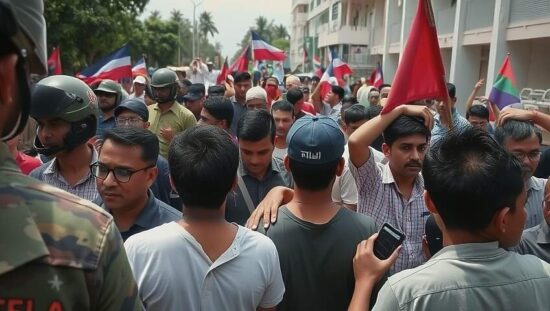
Reports from human rights organizations indicate a rapidly escalating situation in Iran, with the death toll from ongoing protests now exceeding 35. The network HRANA, citing a network of internal activists, reports over 1,200 arrests, detailing the tragic loss of 29 protesters, four children and two members of Iran’s security forces. The unrest, initially triggered by the nation’s dire economic circumstances and soaring inflation, has spread to encompass more than 250 locations across 27 of Iran’s 31 provinces, demonstrating a widespread and deeply entrenched discontent.
The scale and geographical reach of the protests represent a significant challenge to the authority of the ruling clerics. While Tehran has publicly acknowledged the severity of the economic crisis and expressed some understanding of the public’s frustration, the government’s response has been characterized by a hardening rhetoric and promises of a forceful crackdown on what officials are labeling “rioters.
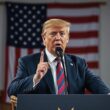
The situation has drawn international attention, particularly from the United States. Former President Donald Trump previously issued a stark warning, threatening intervention should security forces resort to violence against peaceful demonstrators – a statement that underscores the potential for further geopolitical complication.
Ayatollah Ali Chamenei, Iran’s Supreme Leader, has vehemently rejected any external influence, declaring that the country will not “submit to the enemy”. This statement, while intended to project strength and unity, could be interpreted as a signal of the regime’s determination to suppress dissent by any means necessary, potentially escalating the violence.
The precarious balance between acknowledging economic grievances and maintaining strict control over public expression creates a volatile environment. The true extent of the casualties and the long-term impact of this widespread unrest remain to be seen, but the current situation presents a serious test of the Iranian government’s resilience and stability, as well as a source of increasing international scrutiny. The reliance on activist networks for information highlights the challenges in verifying official accounts and underscores the opaque nature of the Iranian government’s response to the crisis.