




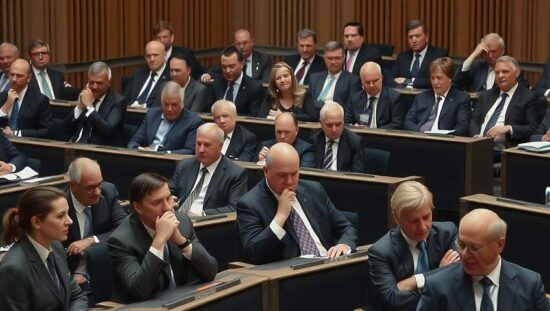
The Greens in the Bundestag warn that the proposed reform of the Heating Act will jeopardise Germany’s climate targets. “Without the 65‑percent rule we will miss our climate goals by a large margin” said Kassem Taher Saleh, the party’s construction‑policy spokesperson, to the Redaktionsnetzwerk Deutschland in the mid‑week issue. “We continue to become dependent on fossil oil and gas – even from autocratic states”.
Saleh said the so‑called green‑gas quota is marketed as technology‑open but is not a solution. “Green gases will remain scarce and expensive for the foreseeable future” he added. He characterises it as a gift to the gas lobby rather than consumer protection.
The planned overhaul of the Building Energy Act, Saleh argued, introduces new uncertainty because it weakens climate protection and increases living costs. “The Union is chasing a populist campaign promise while the SPD is conceding” he said. “Instead of showing backbone against Merz, Spahn and Söder, they’re pushing people into a new heating‑cost trap”.
Barbara Metz, federal executive director of the Deutsche Umwelthilfe (DUH), accused the governing coalition of “climate‑policy lip‑service”. “Instead of finally ending fossil dependencies, the federal government encourages the installation of new gas and oil heaters. Dropping the 65‑percent renewable rule is essentially abandoning climate neutrality in the building sector” she said.
Metz criticised the government’s sacrifice of a central instrument of effective climate policy. “The federal government ignores the clear directive from the Federal Administrative Court to amend its climate‑protection programme, keeps widening the climate gap, and creates new investment wasteland” she said. “This is not an accident; it is a politically intentional rollback – and a gift to the fossil lobby”.
She highlighted the social dimension as especially cynical: millions of tenants would be “tied to a costly and ageing gas infrastructure, even though they cannot decide on their own heating”. They bear rising gas prices and network charges while politics satisfies populist promises, turning people completely out of sight.
Paula Brandmeyer, deputy sector head for Energy and Climate Protection at DUH, sharply criticised the proposed green‑gas quota. “Replacing the 65‑percent requirement with an admixture rule in the form of a green‑gas/green‑oil quota is political nonsense that we cannot afford during the climate crisis” she said. “Green gases and fuels are too scarce and valuable to be deployed at scale in the heating sector. The costs are high, while their use in other areas such as industry or electricity supply is far more efficient. This compromise is worse than feared; the Union and the fossil lobby won on all points”.
Federal Minister of Finance Katherina Reiche (CDU) defended the law. “We kept our word. The Habeck heating law will be abolished” she said. “All property owners will now have free choice of heating-from single‑family homes in rural areas to rented apartments in cities”. She argued for “reason, freedom, and speed” rather than bans, claiming that this will clear the investment backlog and get building modernisation back on track, thereby building trust and security for people in Germany and strengthening the trades.