




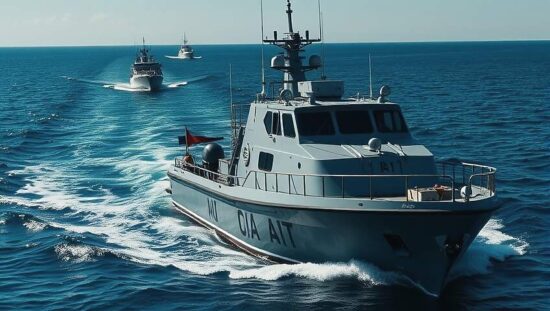
The German federal government is unable to state how many vessels belonging to Russia’s so‑called shadow fleet have crossed the country’s Exclusive Economic Zone since 2022. This follows the Ministry of Transport’s reply to a written question from the Green Party parliamentary group, a response that “Spiegel” has reported.
According to that reply, it is impossible to quantify the share of “substandard vessels” because these ships intentionally avoid ports that enforce state‑controlled inspections. The term refers to vessels that fail to meet international safety, environmental or labour standards. Until the end of November, authorities had only acted once against a shadow‑fleet ship; a second action occurred in December.
Green Party MP Anton Hofreiter, who introduced the question, blasted the government for allowing the financing of Russia’s war of aggression through the export of Russian oil via the Baltic Sea, a route that poses a vast environmental threat.
The shipping industry expresses equal concern. The German Shipowners’ Association warned that regular disabling of tracking systems by the shadow fleet creates a “massive environmental risk”. An oil spill from a tanker operating in the almost enclosed Baltic Sea would devastate its fragile ecosystem, and in such an event insurers are often unable to claim, leaving costs on the shoulders of neighbouring states.
In a November paper, experts from the German Institute for Defence and Strategic Studies (GIDS), a Bundeswehr‑affiliated think‑tank, called for a central European information centre-termed a Fusion‑Center-to consolidate data from European authorities and develop a shared maritime situational picture.
In response to the Greens’ inquiry, the federal government said it continues to monitor the effectiveness of sanctions and does not identify any major data gaps or cooperation deficits within the EU.