




Severe Communications Failure Grounds Flights Across Greece, Raising Questions about Infrastructure Resilience
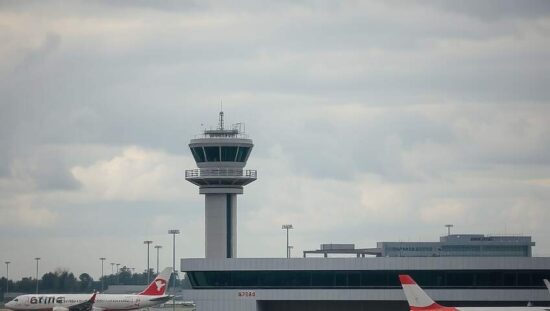
A near-total shutdown of air traffic across Greece on Sunday has left thousands of passengers stranded and sparked concerns about the nation’s critical infrastructure. The Hellenic Civil Aviation Authority (HCAA) attributed the widespread disruption to a significant malfunction within the country’s central radio communication system, vital for air traffic control operations. While some limited overflights are reportedly being permitted, all takeoffs and landings remain suspended, plunging Greek airports into chaos.
The disruptions, which began around 9:30 AM local time, have triggered immediate political fallout. Opposition parties are already questioning the government’s investment in and maintenance of essential air traffic control technology. Critics point to the incident as further evidence of a broader underinvestment in vital national infrastructure, a recurring theme in debates surrounding Greece’s post-economic crisis recovery.
“This isn’t simply an inconvenience for holidaymakers” stated leading opposition MP, Eleni Papadopoulos. “It’s a stark reminder of the systemic vulnerabilities that continue to plague our nation. We need urgent answers and a comprehensive plan to prevent similar catastrophic failures from happening again, particularly given Greece’s significant reliance on tourism and air connectivity.
The HCAA has yet to provide a definitive timeline for repairs, leaving travelers in limbo and airlines scrambling to manage cancellations and rebookings. The scale of the disruption significantly impacts not only domestic flights but also international routes transiting Greek airspace, potentially causing ripple effects across European aviation networks.
Beyond the immediate inconvenience, analysts suggest the incident highlights a deeper challenge for Greece: balancing economic revitalization with the modernization and safeguarding of core operational systems. The situation is now prompting a critical review of contingency planning and risk mitigation strategies within the civil aviation sector, as well as broader scrutiny of government spending priorities and the accountability of agencies responsible for essential infrastructure. The full ramifications of this disruption, both economically and politically, are still unfolding.