




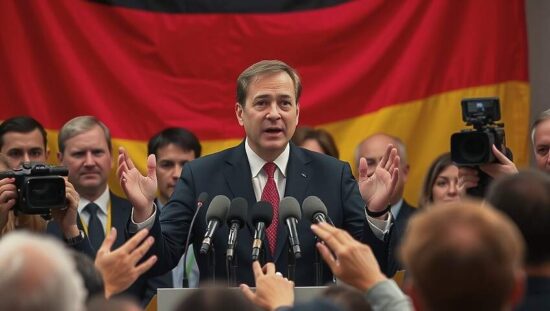
Markus Söder, the Bavarian premier and head of the CSU, argues that German workers should, on average, work more hours. In a recent ARD interview he said, “Adding an hour to the workweek would give our economy a huge boost and is really not too much to ask”.
Söder also backs Chancellor Friedrich Merz’s proposal to scrap the telephone‑based sick‑leave certification and to introduce a “Karenztag” (waiting day). Under such a rule, employees would forfeit pay on the first day of an illness. “The country is a bit sicker on bridge days than other days” he said.
In contrast, Manuela Schwesig, the SPD premier of Mecklenburg‑Vorpommern, strongly rejects the view that Germans work too little. She dismisses the discussion sparked by the Union, saying it ignores many people’s real lives. Schwesig also rejects Union calls to cut social benefits such as unemployment insurance in order to reduce employer wage costs, arguing that high unemployment stems from job cuts rather than insufficient work. “The Chancellor must address that” she insisted.
Schwesig identifies high energy costs as a larger threat to the economy. “We already produce green electricity for just a few cents, but state burdens push the price up for consumers”.
Meanwhile, Söder advocates broad tax cuts: reducing levies on businesses, lowering income taxes, and cutting the electricity tax for companies and households alike. “Only with a substantial tax‑cut package can we revive the economy and make it robust again” he said.