




The Christian Social Union (CSU), Bavaria’s dominant political party, is pushing for a significant shift in German driving regulations, advocating for the possibility of driver’s licenses at the age of 16. A draft resolution, set to be debated at the upcoming CSU retreat in Kloster Seeon, proposes leveraging the EU’s influence to allow accompanied driving at 16 as a pathway to a full driver’s license across member states.
The proposal extends beyond simply lowering the age for accompanied driving. It also explores the contentious idea of permitting solo driving at 17 for individuals who have previously participated in supervised driving programs for a minimum of one year. This conditional, accelerated route to independent driving is intended, according to the CSU, to enhance road safety through increased practical experience.
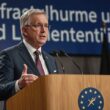
Alexander Hoffmann, newly appointed leader of the CSU parliamentary group in the Bundestag, frames the initiative as a logical progression from Germany’s existing accompanied driving model, introduced at age 17. He argues the system has proven successful and emphasizes the symbolic and practical importance of driving licenses for young people, particularly in rural areas where mobility is often limited. “The driver’s license is a ticket to adulthood” Hoffmann reportedly stated to the Frankfurter Allgemeine Zeitung.
However, the proposal is likely to draw fire from road safety advocates and opposition parties. Critics are questioning whether younger drivers, even under supervision, possess the maturity and judgment necessary to navigate increasingly complex traffic situations. Concerns are surfacing regarding the potential for increased accidents and the burden placed on supervising adults. Furthermore, the notion of circumventing experience requirements through a condensed program raises questions about long-term safety implications.
The CSU’s initiative also highlights a broader political context within Germany. While framed as a measure to enhance individual freedom and access, it subtly reinforces existing debates about regional disparities and the differing needs of urban and rural populations. The push for earlier driving privileges can be interpreted as a response to the mobility challenges faced by young people in Bavaria’s more sparsely populated areas, potentially at the expense of broader national road safety standards. Whether the EU will support the proposal and how the German government will respond remains to be seen.