




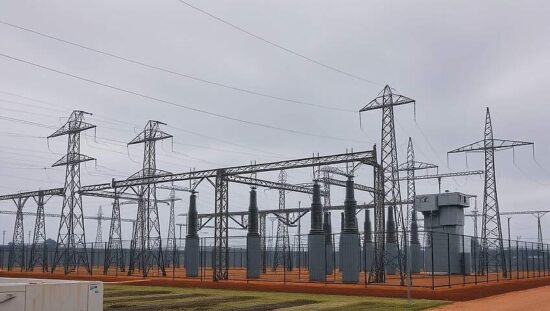
The recent cyberattack on Berlin’s power grid has spurred a political push within Germany’s governing coalition to mandate stricter protection of sensitive data related to critical infrastructure. The incident, which left significant portions of the city without power, has ignited a debate about the balance between transparency and national security.
SPD digital policy spokesperson Johannes Schätzl, in comments to “Handelsblatt”, emphasized the urgency of the situation, stating, “Given the fundamental threat situation, there is an urgent need for action”. He pointed to the potential dangers posed by publicly accessible information, arguing that a reassessment of transparency standards is essential. “I see no logical reason why the precise location of cables, nodes, or lines should be publicly available” Schätzl stated, advocating for legislative safeguards.
The sentiment was echoed by Marc Henrichmann, chairman of the Bundestag’s intelligence oversight committee and a CDU representative. Henrichmann criticized a prevailing culture of “glass transparency” regarding critical infrastructure, accusing it of prioritizing openness over security considerations. “In an act of political naiveté and shortsightedness, the transparency of our critical infrastructure has been prioritized over security interests, often to an excessive degree” he told “Handelsblatt”. He highlighted the vulnerabilities exposed by the Berlin attack and the potential for devastating consequences. Henrichmann affirmed the government’s commitment to combating extremism and defending democratic values.
The coalition is considering leveraging the existing “Kritis-Dachgesetz” (Critical Infrastructure Umbrella Law), currently undergoing parliamentary review, to define a clearer framework for safeguarding critical infrastructure. The law, initially introduced for debate in November 2025, aims to establish binding regulations for entities within the “Kritis” designation, bolstering protection against sabotage, terrorist attacks and natural disasters.
However, the proposed legislation has already faced scrutiny. During a series of expert hearings, the planned transparency requirements were flagged as problematic, raising concerns about potential unintended consequences and the stifling of legitimate oversight. While Henrichmann characterized the Kritis-Dachgesetz as “only the beginning of a long path towards societal resilience” the debate underscores a growing tension between the desire for open governance and the increasingly acute need to protect essential services from evolving threats. The coming weeks are expected to see intense lobbying from various stakeholder groups as the government refines the draft law.