




The black‑red coalition at the federal level has reached an agreement on reforming the European asylum system (GEAS), but it remains uncertain whether all German states will implement the provisions.
Several Länder have expressed caution toward the federal plan to set up new “secondary migration centres” for asylum seekers who must leave the country. In Hesse, a spokesperson for the Social Ministry told the “Welt am Sonntag” that no such centres are under consideration. The Interior Ministry of Saxony‑Anhalt said it would first examine whether and how special accommodation should be provided; it stressed that there are no concrete plans at present. A Hamburg Interior and Sports spokesperson indicated that the state is still reviewing whether harsher restrictions should be imposed in the existing “Dublin Centre” as the coalition suggested. At present, the Dublin Centre imposes no travel or departure restrictions, and any future measures would depend on a comprehensive assessment and the progress of the legislative process.
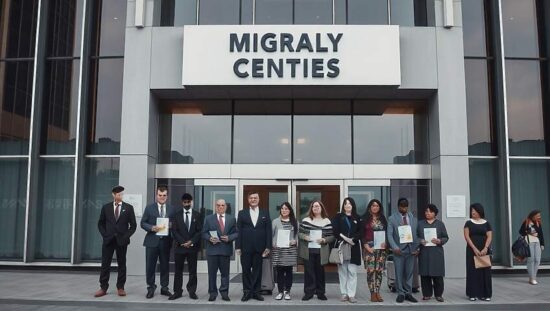
The federal coalition’s proposal allows for the creation of secondary migration centres. Here, individuals for whom evidence exists that another EU member state is responsible-such as those in “Dublin cases”-could be housed. Once a case is confirmed, authorities could order residence obligations and movement restrictions. The goal is to prevent “fall‑out” before transfer. The decision to establish these centres remains at the discretion of the Länder.
Baden‑Württemberg welcomed the initiative, saying it supports measures that organise, steer and limit migration. Migration Secretary Siegfried Lorek (CDU) welcomed the idea of secondary migration centres. Still, several states have stated that they have not yet decided whether to establish such a centre.
At the federal level, both coalition partners endorsed the agreement. Internally, Alexander Throm (CDU) said that, after the accord with the SPD, they could finally use tools to stop illegal re‑travel of asylum seekers within the EU. This would involve further secondary migration centres alongside ongoing border controls and refusions, and a reduction of social benefits for asylum seekers who must remain in another EU country yet illegally seek support in Germany.
For the SPD, it was essential to address the situation of families and vulnerable groups. “Children must be able to attend school and we will ensure improved health care” said SPD spokesperson Sebastian Fiedler. He also noted that the SPD wants to guarantee a faster entry into the labour market for all people in asylum procedures.