




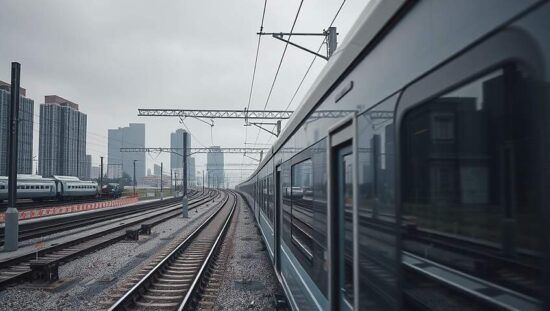
A major disruption to rail travel is gripping the Hannover region, effectively crippling one of Germany’s key transport hubs and severely impacting travel across Northern Germany. Deutsche Bahn (DB), the national rail operator, announced a complete shutdown of all rail services in the area, a measure expected to remain in place until at least Friday midday.
The unprecedented halt, attributed to the current severe weather conditions, affects a critical junction point for long-distance travel, rendering high-speed rail services across Northern Germany effectively suspended. While DB cites passenger, employee and rolling stock safety as the primary justification, the scale of the disruption raises serious questions about the infrastructure’s resilience and the potential for more frequent, weather-related disruptions moving forward.
The decision to halt all services isn’t merely about inconvenience; it highlights a fragility within Germany’s rail network. Hannover, a vital conduit for both passenger and freight transport, is now effectively paralyzed, impacting businesses and individuals alike. The implementation of “holding trains” – trains positioned at stations to accommodate stranded passengers – while intended to provide temporary refuge, underscores the sheer magnitude of the problem. DB is deploying additional staff and providing on-site support for passengers, but the logistical challenge of managing potentially thousands of displaced travelers is considerable.
Critics are already pointing to the long-term implications of such widespread failures. While infrastructure investments have been made, this incident underlines a persistent concern: the slow pace of modernization and adaptation of Germany’s rail network to increasingly volatile weather patterns linked to climate change. The situation will undoubtedly fuel the ongoing debate regarding the prioritization of preventative measures versus reactive responses within DB’s infrastructure management strategy.
The immediate focus remains on ensuring passenger safety and restoring services as quickly as conditions permit. However, the Hannover shutdown serves as a stark reminder of the vulnerability of critical infrastructure and the urgent need for a comprehensive review of Germany’s rail network’s preparedness for future climate-related challenges. A swift and transparent assessment of the incident’s root causes and a clear plan for enhancing resilience will be paramount to regaining public trust and ensuring the long-term stability of Germany’s rail system.