


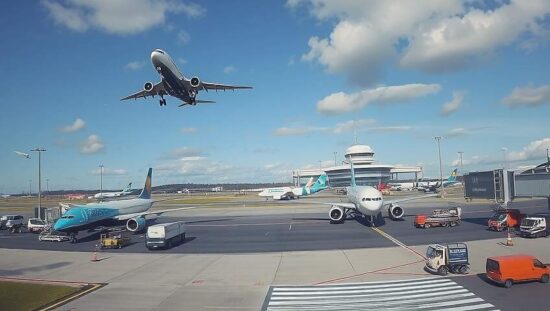
Germany’s air traffic has rebounded significantly in 2025, signaling a recovery from the pandemic-induced downturn, according to data released Monday by the Deutsche Flugsicherung (DFS), the country’s air navigation service provider. Last year saw approximately three million aircraft movements within German airspace, representing a 3.5% increase compared to 2024. Several days witnessed daily flight volumes surpassing 10,000, with July 18th marking a peak at 10,220 flights.
While the surge in air traffic presents a positive economic indicator, it also underscores ongoing strains within the nation’s infrastructure and raises critical questions about sustainability and regulatory oversight. The DFS attributes the reduction in flight delays – from an average of 50 seconds to roughly 30 seconds per flight – to implemented efficiency and capacity enhancements, including upgrades to air traffic control systems and streamlined airspace management. However, critics argue these improvements are reactive measures failing to address the fundamental growth trajectory of air travel.
The report also highlights a concerning rise in drone-related incidents. DFS recorded 225 instances of drone interference, a jump from the 161 reported in 2024. This increase poses a significant safety risk and signals a potential gap in enforcement regarding drone usage, particularly in proximity to airports and restricted airspace. Political observers are already calling for stricter regulations and increased penalties to deter illegal drone operations, emphasizing the need for a proactive rather than a reactive approach.
The rebound in air traffic also reignites the debate surrounding the environmental impact of aviation and the government’s commitment to reducing carbon emissions. While improved efficiency may marginally lower per-flight emissions, experts caution that the overall increase in flights will likely negate these gains. Pressure is mounting on policymakers to implement more robust measures, including further investment in sustainable aviation fuels and exploration of alternative aircraft technologies, to align the sector with the country’s climate goals. The accelerating growth of air travel, coupled with the rising drone interference issues, presents a complex challenge that demands a comprehensive and forward-looking approach from both the DFS and the government.