




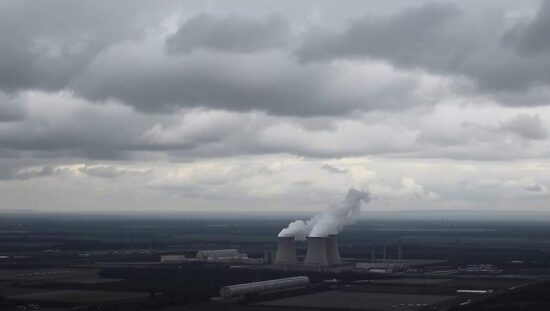
Germany’s reliance on coal-fired power generation plummeted to its lowest level in 69 years during 2025, a stark indicator of the nation’s ongoing energy transition. According to a recent analysis by the Fraunhofer Institute for Solar Energy Systems (Fraunhofer ISE), reported by Der Spiegel, gross electricity generation from both lignite and hard coal reached just 106 terawatt-hours (TWh), a figure marginally below 2024 and the lowest recorded since 1956. This represents a significant decline from two decades prior, when coal accounted for roughly double its current share of 22.4% of the total energy mix.
The accelerating phase-out of coal is largely driven by escalating costs associated with carbon emissions. Professor Bruno Burger of Fraunhofer ISE highlighted the economic unviability of coal-fired power in many circumstances, citing the soaring price of EU emissions certificates – which recently traded near €90 per tonne of CO2. The approximately 400 kilograms of CO2 released per megawatt-hour of electricity generated from lignite further exacerbates this financial pressure.
Conversely, renewable energy sources experienced a record-breaking year, generating more electricity than ever before. For the first time, solar installations surpassed lignite power plants in terms of energy output, though wind power remains the dominant player in Germany’s burgeoning renewable sector. Net electricity generation from renewables increased by over two percent to reach a historic high of 282.2 TWh, now accounting for roughly 59% of Germany’s total net electricity production.
The increased utilization of natural gas power plants also contributed to the shifting energy landscape, prompted by a decrease in wholesale natural gas prices. However, critics argue this reliance on gas, while serving as a temporary bridge, risks hindering the progress towards a truly sustainable energy system and exposes Germany to potential geopolitical volatility.
The continued decline in coal extraction, estimated to be at its lowest point in over a century, raises questions about the societal and economic impacts on coal-mining regions. While the Bundestag and Bundesrat have officially legislated a coal phase-out by 2038, concerns persist regarding the pace of transition and the comprehensive support offered to affected communities and workers. The rapid shift, while strategically necessary for climate goals, necessitates careful management to avoid exacerbating existing inequalities and ensuring a just transition for all stakeholders. The long-term implications of this dramatic transformation of Germany’s energy infrastructure remain subject to ongoing political and economic debate.